








Nagpur Pushes EV Bus Infrastructure Development to Support Clean Mobility
Nagpur is strengthening its electric mobility ecosystem with new investments in EV bus infrastructure, as authorities move to expand sustainable public transport in the city. The Nagpur Municipal...

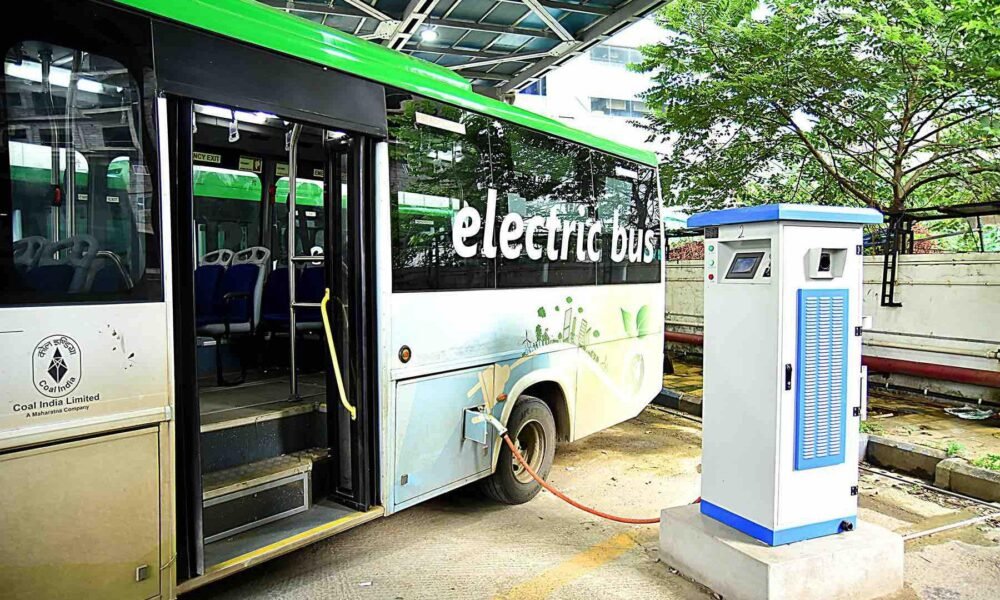
Nagpur is strengthening its electric mobility ecosystem with new investments in EV bus infrastructure, as authorities move to expand sustainable public transport in the city.
The Nagpur Municipal Corporation has approved infrastructure upgrades worth ₹1.55 crore to support electric bus operations, including the development of power feeder bays at key depots. These facilities are essential to ensure uninterrupted electricity supply for charging electric buses.
The project includes feeder bays at Wathoda and Khapri depots, which are expected to play a crucial role in supporting the city’s growing fleet of electric buses. Officials have indicated that the funding is part of a larger allocation aimed at modernising bus depot infrastructure.
In addition, land has been allocated for the development of a modern bus depot equipped with EV charging facilities and parking infrastructure. This move is expected to strengthen operational efficiency and enable large-scale deployment of electric buses across the city.
Charging infrastructure expansion to support growing EV bus fleet
The development highlights a broader push towards clean and sustainable urban transport systems. Electric buses are being positioned as a key solution to reduce pollution, improve fuel efficiency and enhance commuter experience.
Nagpur has already been expanding its electric bus fleet, with multiple initiatives focused on replacing diesel buses with cleaner alternatives. However, infrastructure gaps, particularly in charging facilities, have been identified as a major challenge in scaling operations.
Experts note that robust charging infrastructure is critical for the success of electric mobility projects. Without adequate charging capacity and power supply systems, fleet expansion can face operational delays and inefficiencies.
The new infrastructure projects are expected to address these challenges by ensuring reliable charging support and improving depot readiness. This will allow the city to increase the number of electric buses on roads and improve service frequency.
Authorities have emphasised that such investments are essential for long-term urban mobility planning. As cities continue to grow, the shift towards electric public transport is expected to play a key role in reducing emissions and supporting sustainable development.
Nagpur’s EV bus infrastructure push reflects a larger national trend towards electrification of public transport, with cities increasingly investing in clean mobility solutions.









No Comment! Be the first one.