








Govt Focuses on Climate-Resilient Infrastructure in Himalayas Amid Rising Risks
The Indian government is increasing its focus on building climate-resilient infrastructure in the Himalayan region, as concerns grow over frequent landslides, extreme weather and fragile terrain...

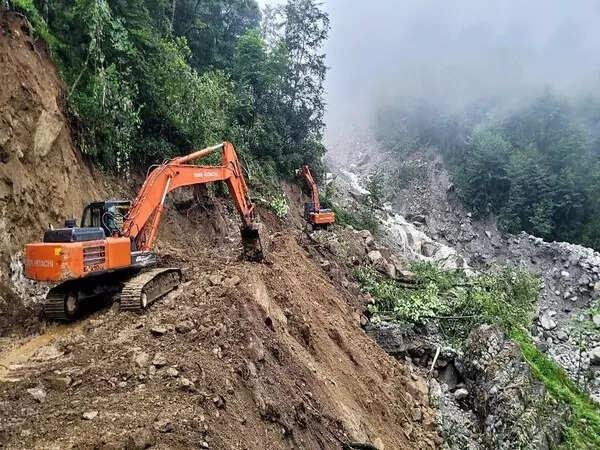
The Indian government is increasing its focus on building climate-resilient infrastructure in the Himalayan region, as concerns grow over frequent landslides, extreme weather and fragile terrain conditions.
Union Minister Nitin Gadkari recently highlighted the urgent need to strengthen road infrastructure in hilly regions, noting that the Himalayas face unique challenges due to geological instability and recurring natural disasters such as landslides and cloudbursts.
Officials indicated that the government is adopting advanced technologies and global best practices to improve safety and durability of infrastructure projects in the region. The move comes as infrastructure development in mountainous areas continues to face delays, cost overruns and safety concerns.
A key policy shift includes prioritising slope stabilisation before starting road construction in hilly terrain. This approach aims to reduce long-term damage and improve the lifespan of infrastructure projects.
Advanced technology and monitoring systems to improve safety
The government is also expanding collaborations with research institutions and technical agencies to address geotechnical risks in the region. Partnerships have been established for landslide mitigation, geological investigations and infrastructure design validation.
Authorities are increasingly using modern tools such as LiDAR surveys, drone mapping and satellite-based monitoring systems to assess terrain risks and improve project planning. These technologies help in identifying landslide-prone zones and integrating risk assessments into infrastructure design.
In addition, real-time monitoring and early warning systems are being introduced in critical areas. For example, advanced InSAR-based technology is being deployed along key routes such as the Char Dham corridor to detect land movement and provide early alerts.
Experts have noted that climate-resilient infrastructure is essential for ensuring long-term sustainability in the Himalayan region, where environmental sensitivity and rapid development often create conflicting challenges.
The push towards resilient infrastructure reflects a shift from reactive maintenance to preventive planning. While this approach may increase initial costs, it is expected to reduce long-term damage, improve safety and minimise disruptions.
As infrastructure development continues in hill states, the government’s focus on resilience and technology-driven planning is expected to play a crucial role in ensuring safe and sustainable connectivity in the Himalayan region.









No Comment! Be the first one.