








India’s Maritime Infrastructure Gets a Fresh Boost as Domestic Container Manufacturing Gains Momentum
India’s maritime and logistics sector is entering a new phase of growth as the Government has stepped up efforts to strengthen domestic container manufacturing. The recently announced Container...

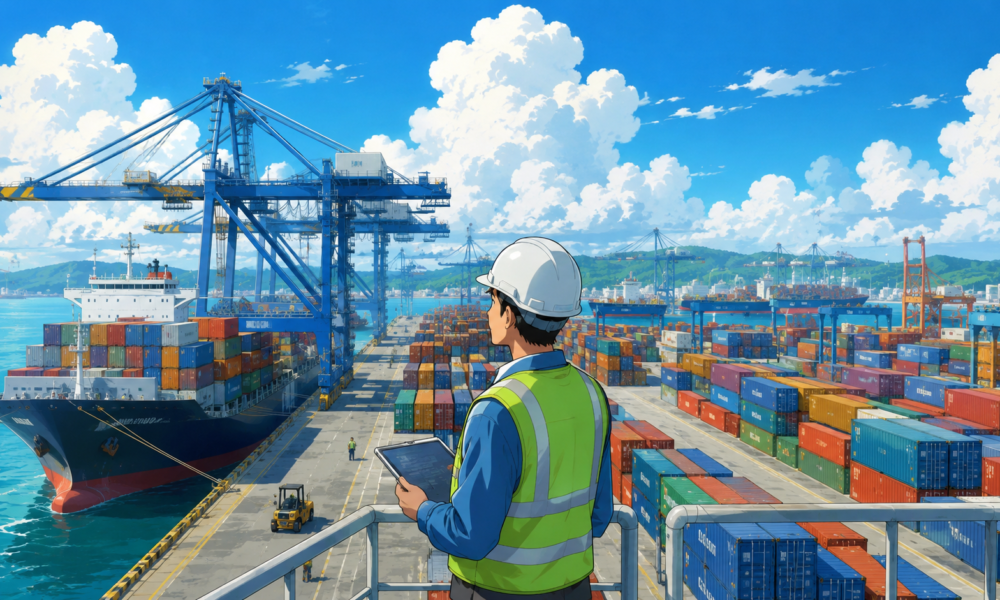
India’s maritime and logistics sector is entering a new phase of growth as the Government has stepped up efforts to strengthen domestic container manufacturing. The recently announced Container Manufacturing Promotion Scheme is expected to increase India’s production capacity by almost ten times, reducing dependence on imported shipping containers while supporting the country’s expanding trade network.
For years, India has relied heavily on imported containers, particularly from overseas manufacturers, to support exports and imports. Supply chain disruptions during recent global crises exposed the risks of this dependence, leading policymakers to encourage domestic production as part of a wider infrastructure strategy.
The new scheme aims to create a competitive manufacturing ecosystem for standard cargo containers and specialised containers used across industries. By increasing local production, India hopes to ensure a steady supply for exporters while improving resilience across ports, logistics parks and freight corridors.
The initiative also aligns with the country’s larger vision of lowering logistics costs. Efficient availability of containers can reduce delays, improve turnaround times and support smoother cargo movement through ports, railways and inland transport networks. Industry experts believe these improvements could make Indian exports more competitive in international markets.
Infrastructure development has increasingly shifted beyond highways and airports. Port modernisation, multimodal logistics parks, dedicated freight corridors and digital freight management systems are becoming equally important. These projects are designed to create seamless connectivity between manufacturing centres and global markets.
The Government has already invested heavily in programmes that integrate roads, railways, ports and airports through a unified planning framework. This coordinated approach is helping reduce bottlenecks while supporting industrial growth across multiple regions. The latest manufacturing initiative complements these efforts by ensuring that transport infrastructure is supported by adequate logistics equipment.
India’s growing export ambitions also require a reliable supply of specialised containers for sectors such as agriculture, pharmaceuticals and chemicals. Domestic manufacturers are expected to expand into these high value categories, creating new opportunities for engineering companies and component suppliers.
The scheme is likely to encourage private investment, technology partnerships and employment across manufacturing hubs. Industry observers expect container factories to generate skilled jobs while supporting steel producers, fabrication units and ancillary industries.
Ports across the country are also becoming more efficient through capacity expansion and faster cargo handling. Improved port infrastructure, combined with locally manufactured containers, could significantly strengthen India’s position in global supply chains over the coming years. Better connectivity between ports, industrial corridors and logistics parks is expected to reduce transportation costs while improving delivery timelines for businesses.
As global trade patterns continue to evolve, resilient logistics infrastructure has become a key economic advantage. Domestic container production is therefore more than just a manufacturing initiative. It represents another important building block in India’s long term infrastructure strategy, helping create a stronger and more self sufficient logistics ecosystem.
With freight volumes expected to grow steadily over the next decade, the success of the Container Manufacturing Promotion Scheme could play a vital role in supporting India’s ambitions of becoming a leading global manufacturing and export hub. Combined with continued investments in transport infrastructure, the initiative signals a broader commitment to building an integrated logistics network capable of meeting future economic demands.








No Comment! Be the first one.