







Delhi NCR and Chennai power India’s industrial leasing growth as Grade A demand rises 12% in H1 2026
India’s industrial and warehousing market continued its growth trajectory during the first half of 2026, with Grade A leasing touching nearly 22 million sq. ft. across the country’s top...

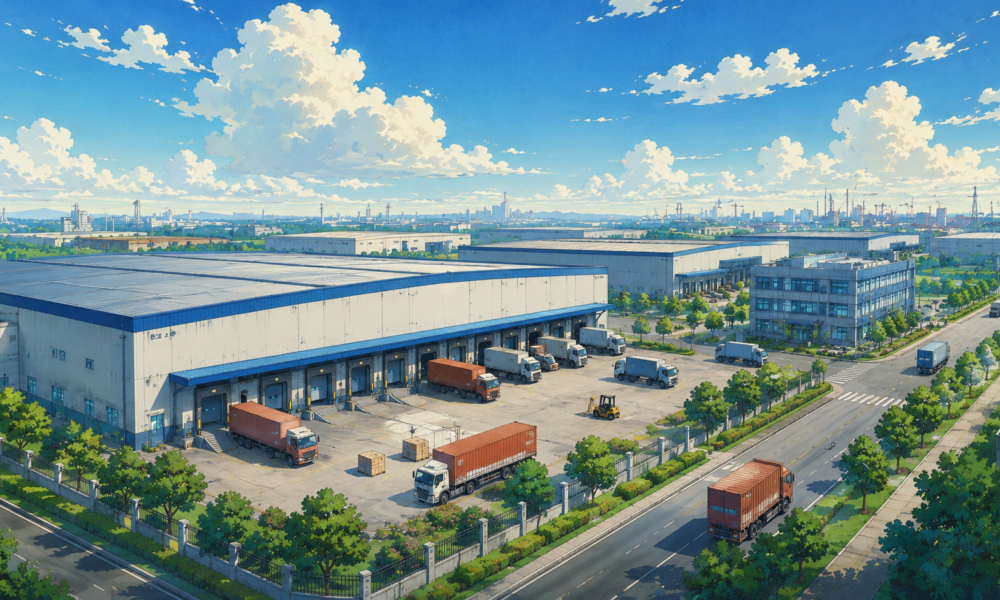
India’s industrial and warehousing market continued its growth trajectory during the first half of 2026, with Grade A leasing touching nearly 22 million sq. ft. across the country’s top eight cities. The latest findings indicate that demand remains resilient despite global supply chain disruptions, underlining the strength of India’s manufacturing and logistics ecosystem.
According to Colliers, Delhi NCR and Chennai together accounted for more than 45% of total leasing activity during H1 2026, making them the country’s strongest performing industrial markets. Established logistics corridors such as Farukh Nagar and NH 48 in Delhi NCR, along with Chennai’s manufacturing belt, continued to attract occupiers seeking modern, well-connected facilities.
Third party logistics (3PL) companies remained the largest occupier segment, contributing around 30% of total leasing demand. Engineering firms followed with a 21% share, while e-commerce companies accounted for 16%. The mix reflects India’s growing domestic consumption, expanding manufacturing base and the continued need for efficient supply chain infrastructure.
Large transactions also played a significant role in market activity. Deals exceeding 200,000 sq. ft. contributed nearly 40% of total leasing, with e-commerce companies emerging as the biggest contributors to these large space requirements. Automobile manufacturers and logistics operators also recorded substantial expansion during the period.
Developers have responded by accelerating construction. Around 25 million sq. ft. of new Grade A supply was completed during H1 2026, representing a 27% year on year increase. Delhi NCR and Mumbai together accounted for over 40% of the new completions, while Bengaluru and Pune also witnessed strong development activity with fresh industrial parks and warehousing projects entering the market.
The increase in supply has pushed the overall vacancy rate to 17.2%, as new completions temporarily outpaced leasing activity. However, rental values across key logistics hubs continued to rise, supported by strong demand for premium, ESG compliant industrial assets equipped with modern infrastructure and automation. Occupiers increasingly prefer Grade A developments that improve operational efficiency and meet sustainability goals.
Industry experts believe the sector is well positioned for sustained growth through the remainder of 2026. Expanding domestic manufacturing, government backed infrastructure projects, supply chain diversification and continued investment in logistics corridors are expected to support both leasing demand and development activity. Although geopolitical uncertainties remain a near term challenge, India’s industrial real estate market continues to benefit from structural growth drivers that extend well beyond cyclical market movements.
The latest leasing figures show that India’s industrial real estate market is becoming more sophisticated rather than simply larger. Demand is increasingly concentrated in high quality logistics corridors that offer superior connectivity, compliance and operational efficiency. As manufacturing expands and supply chains become more technology driven, Grade A industrial assets are likely to attract greater institutional investment while strengthening India’s position as a global production and distribution hub.







No Comment! Be the first one.