





AI Data Centres: The next Big Growth Opportunity for Real Estate
AI is growing at a phenomenal pace around the globe, and some see it as a huge opportunity for the real estate sector. However, others have debated its potential dark side, including questions around...

AI is growing at a phenomenal pace around the globe, and some see it as a huge opportunity for the real estate sector. However, others have debated its potential dark side, including questions around AI sentience. As AI adoption grows rapidly in India, technology companies and other businesses require vast amounts of water and electricity to operate and cool their data centres. This is creating a significant opportunity for the real estate market, with massive investments being made to expand India’s data centre infrastructure. It is estimated that billions of dollars will be invested in expanding data centre capacity between 2021 and 2029.
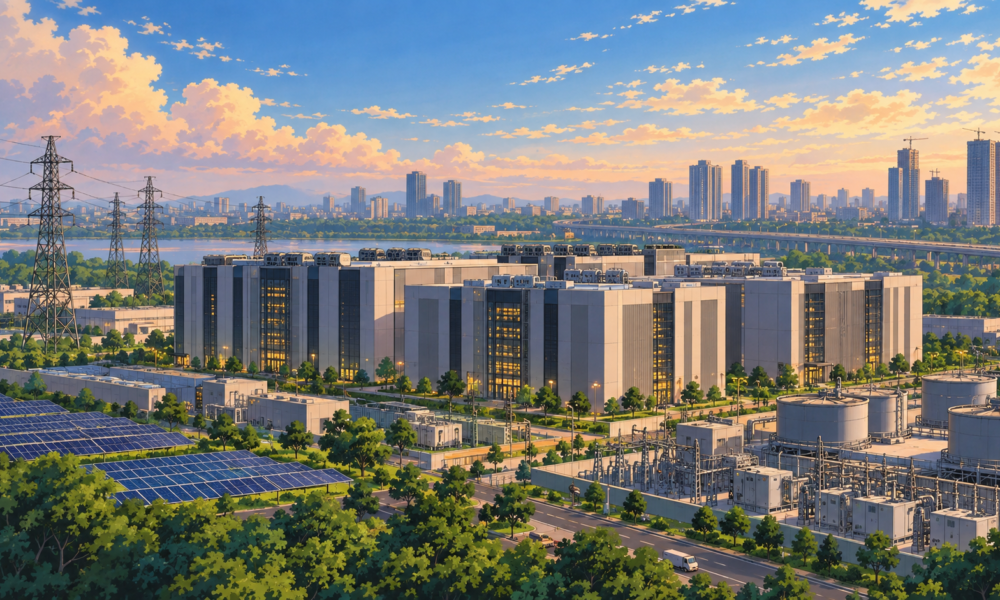
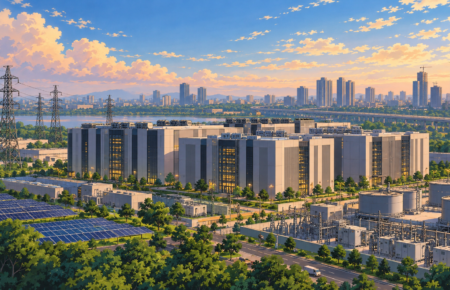
AI data centres are different from conventional data centres because AI servers require significantly more electricity and advanced cooling systems to handle computationally intensive workloads. These facilities stand out from traditional server centres because of their enormous requirements for electricity, cooling and, in some cases, water.
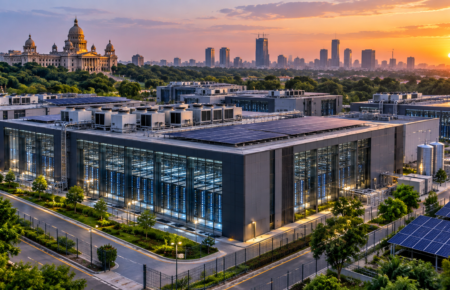
These centres also have highly specific location requirements. They cannot be built just anywhere and need to be located in areas with a reliable power supply, access to renewable energy, high-speed connectivity and proximity to major cities.
Real estate developers, meanwhile, have found a new avenue for generating revenue beyond traditional residential, retail and office projects. The development of data centres also creates demand for supporting infrastructure, including roads, power substations, water systems and nearby renewable energy facilities.
Currently, Mumbai and Chennai are among India’s biggest data centre hubs, supported by strong infrastructure, internet connectivity, submarine cable networks and reliable electricity supplies. Developers are also exploring cities such as Hyderabad and the Delhi-NCR region, where additional land and infrastructure are available for future expansion.
Building these centres requires substantial upfront investment, including spending on land, construction, steel, power systems and specialised equipment. This also means that generating returns can take considerable time.
Real estate companies spend significant amounts of time and money developing data centres, but they typically begin generating meaningful returns only once the projects are completed and leased to customers.
There are also significant power and renewable energy challenges. Data centres require a continuous and reliable electricity supply to operate, making access to dependable and renewable power one of the industry’s biggest challenges. Water availability and cooling infrastructure are equally important, as AI servers generate considerable heat. Advanced cooling technologies and efficient water management systems are therefore becoming crucial to the development of AI data centres.
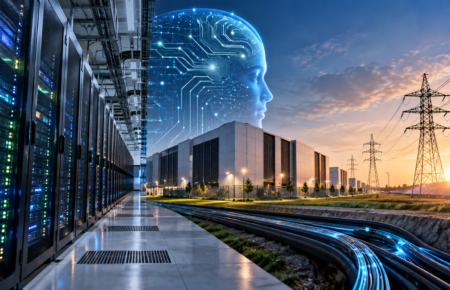
Data centres are setting new benchmarks for some of India’s most important real estate projects, alongside residential, retail and office developments. AI may largely exist as software, but it cannot function without a strong physical foundation. Behind every AI model are data centres that depend on concrete, steel, electricity, cooling systems and extensive physical infrastructure.





No Comment! Be the first one.