






India’s AI Revolution: Why Data Centres Need More Power, Land and Water
Artificial intelligence is increasing the need for computing power. Behind AI applications are data centres filled with servers that process and store large amounts of information. Building these...

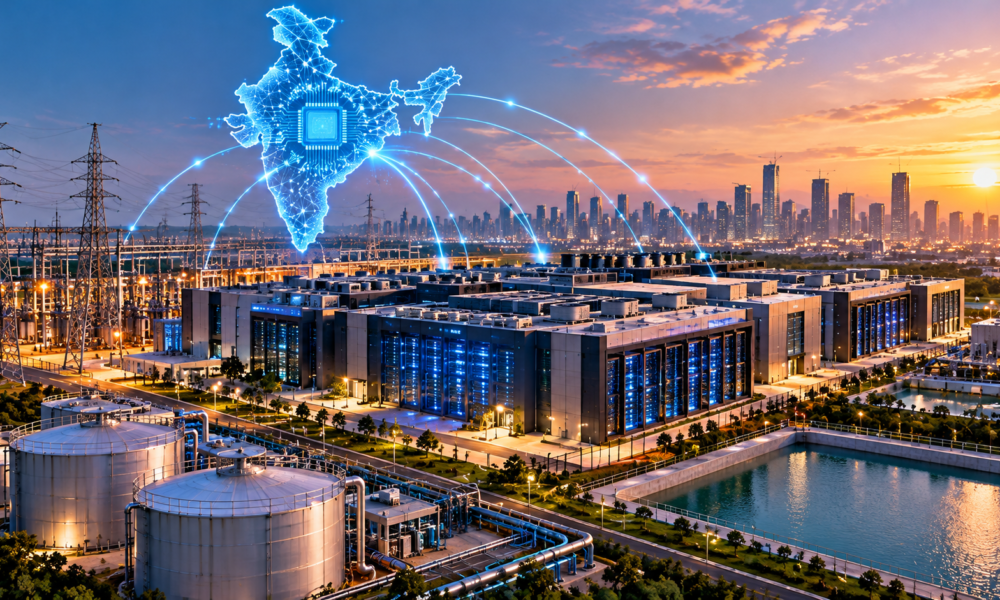
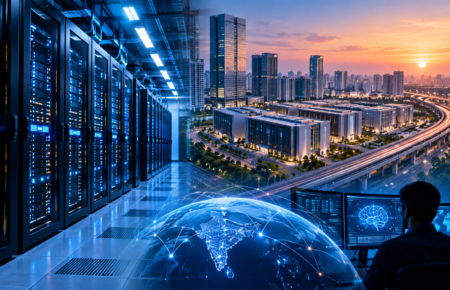
Artificial intelligence is increasing the need for computing power. Behind AI applications are data centres filled with servers that process and store large amounts of information.
Building these facilities requires more than computer equipment. Developers must secure suitable land, arrange reliable electricity, plan cooling systems and establish fast network connections.
As India’s AI industry grows, these requirements are becoming important issues for infrastructure planners.
Why Do Data Centres Need So Much Power?
Data centres operate computer servers and networking equipment for long periods. These systems require electricity to process information, store data and maintain digital services.
AI workloads can require particularly powerful computing equipment. As a result, developers must plan for reliable electricity supplies, backup systems and the ability to manage changing demand.
A location with limited power capacity may not be suitable for a large data centre, even if land is available.
Why Is Land Important?
Data centres need space for server rooms, electrical systems, cooling equipment, security facilities and maintenance areas.
Developers also need to consider road access, fibre-optic connectivity, flood risk and proximity to power infrastructure.
Some projects may require large sites that allow future expansion. Local planning rules and building approvals also influence where facilities can be developed.
How Does Water Fit into the Picture?
Some data centres use water-based cooling systems to remove heat from servers. The amount of water required depends on the cooling technology, climate and design of the facility.
Water availability is therefore an important factor when choosing a location.
Operators can reduce pressure on local water supplies by improving cooling efficiency, monitoring consumption and considering alternative cooling methods where suitable.
However, there is no single cooling system that works best for every location. Developers must balance water use, electricity demand, operating costs and environmental conditions.
Can Renewable Energy Help?
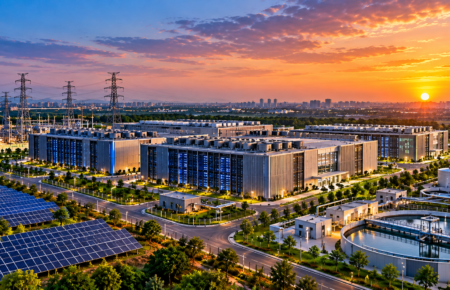
Renewable energy can help data centre operators reduce emissions linked to electricity use.
Solar and wind power, energy storage and suitable power-purchasing arrangements may support cleaner operations. Operators must still ensure that their facilities have reliable electricity when renewable generation changes.
Efficient servers, improved cooling and careful energy management can also reduce waste.
What Does This Mean for India?
India’s data centre sector is expanding alongside demand for AI and cloud computing. This creates opportunities for construction companies, power providers, cooling technology firms and network operators.
However, new facilities must be planned carefully. Poor site selection or inadequate power and water infrastructure can increase costs and create pressure on local resources.
The future of AI infrastructure in India will depend on balancing digital growth with reliable services, responsible resource use and long-term planning.






No Comment! Be the first one.