








Noida International Airport: How Cargo Infrastructure Could Reshape NCR Logistics and Warehousing
The development of Noida International Airport at Jewar is creating new opportunities for transport, logistics and industrial infrastructure in the National Capital Region. Beyond passenger travel,...

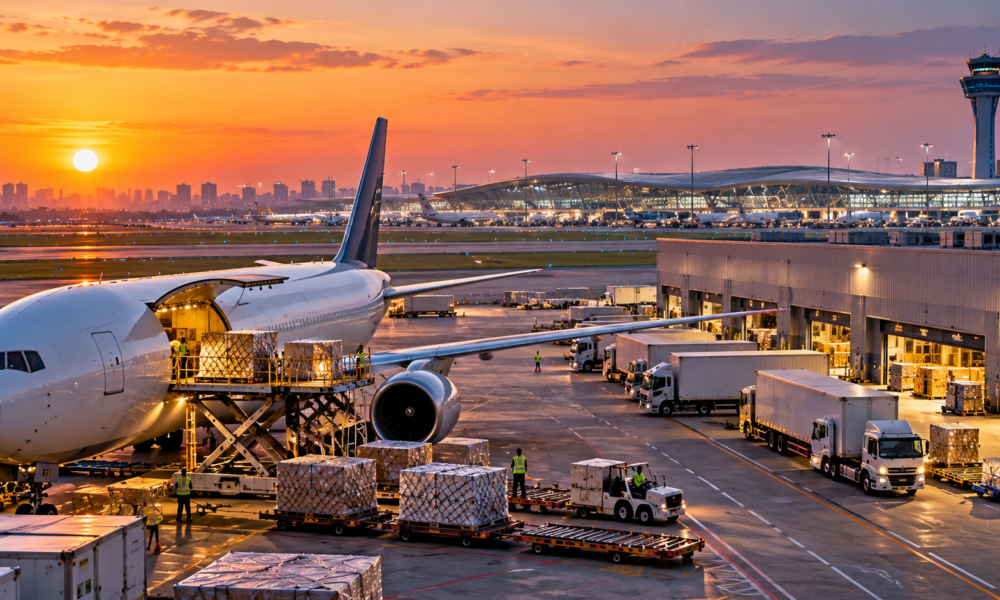
The development of Noida International Airport at Jewar is creating new opportunities for transport, logistics and industrial infrastructure in the National Capital Region.
Beyond passenger travel, the airport’s cargo facilities are designed to support freight movement, warehousing and trade. The airport’s official information describes an initial cargo-handling capacity of 200,000 metric tonnes annually, with plans to scale it up to 1.5 million tonnes.
For businesses, the significance lies in how airport connectivity could work alongside highways, distribution centres and industrial areas across western Uttar Pradesh.
Why Is Airport Cargo Infrastructure Important?
Air cargo is used to transport goods that require speed, careful handling or specialised logistics. These can include electronics, pharmaceuticals, high-value products and time-sensitive shipments.
A cargo terminal needs more than aircraft access. It also requires secure handling areas, customs-related processes, freight forwarders, warehouses and reliable road connections.
When these facilities work together, businesses can move goods between production centres, warehouses and international markets more efficiently.
What Role Could Jewar Play?
Noida International Airport is positioned to serve the wider NCR and parts of northern India. Its cargo and logistics facilities could provide another option for businesses that depend on air freight.
The airport’s planned logistics zone is relevant to e-commerce operators, manufacturers, freight companies and businesses handling time-sensitive products.
However, the actual effect on regional logistics will depend on cargo volumes, airline participation, transport links and the development of supporting industrial facilities.
What Does This Mean for Warehousing?
Warehouses are often located near major transport routes because access to roads, airports and distribution networks affects delivery times and operating costs.
Airport-linked logistics can create demand for specialised facilities, including temperature-controlled storage, freight handling centres and distribution warehouses.
Businesses may also assess locations based on labour availability, land costs, road access and proximity to customers. These factors influence whether a warehouse is suitable for a particular supply chain.
The airport alone does not guarantee a rise in demand for every nearby property. Investors must evaluate local infrastructure, competition and actual occupier demand.
How Could the Wider Region Benefit?
Transport infrastructure can encourage industrial development by improving access to suppliers and markets. Supporting businesses may include logistics operators, maintenance providers, packaging companies and warehouse developers.
The scale of this opportunity depends on whether airport operations attract sustained freight activity. Road congestion, land-use planning and the availability of utilities can also affect the region’s attractiveness to businesses.
Local planning will be important to ensure that industrial growth is supported by adequate roads, public services and environmental safeguards.
What Should Investors Watch?
Investors should monitor cargo-handling capacity, airline and freight partnerships, warehouse leasing activity and the progress of supporting road infrastructure.
They should distinguish between announced capacity and actual cargo throughput. Planned expansion does not necessarily translate into immediate demand for industrial property.
Businesses considering new facilities should also calculate transport costs and compare alternative logistics locations before committing capital.
Conclusion
Noida International Airport’s cargo infrastructure could strengthen the NCR’s role in air freight and industrial logistics.
The opportunity extends beyond the airport boundary to warehouses, distribution centres and connected industrial areas. However, long-term gains will depend on actual freight demand, reliable transport links and the successful development of supporting infrastructure.









No Comment! Be the first one.