







Hyundai Tucson in India: Features, Specs and Price
The premium SUV market in India has become increasingly competitive, with buyers looking for a combination of comfort, performance, safety technology and distinctive design. The Hyundai Tucson has...

The premium SUV market in India has become increasingly competitive, with buyers looking for a combination of comfort, performance, safety technology and distinctive design.
The Hyundai Tucson has been part of this segment, offering a larger and more feature-rich alternative to compact and mid-size SUVs.
However, buyers researching the vehicle in October 2026 should be aware that the cited September 2026 model listing reports the Tucson was discontinued in India in November 2025. Its last listed ex-showroom price range was ₹27.32 lakh to ₹35.46 lakh. These are historical prices, not current new-car offers.
Hyundai Tucson: Position in the Indian Market
The Tucson sits above Hyundai’s more affordable SUV offerings and targets buyers seeking a more premium ownership experience.
Its appeal has included a substantial exterior design, a spacious cabin, automatic transmission options and technology-oriented equipment.
The model also illustrates a wider challenge for automotive brands: a vehicle can offer a strong product package while still facing pressure from changing consumer preferences, competitive launches and pricing expectations.
Engine and Performance Specifications
The Tucson’s last Indian-generation lineup included petrol and diesel engine options paired with automatic transmissions.
Historical specifications listed for the model included:
Petrol engine: 2.0-litre petrol
Diesel engine: 2.0-litre diesel
Maximum reported power: Up to approximately 183.72 bhp, depending on version
Transmission: Automatic options
Historical ex-showroom price: ₹27.32 lakh to ₹35.46 lakh
Indian market status: Reported discontinued in November 2025
Specifications can vary by model year and variant. Buyers considering a used Tucson should verify the registration year, engine specification, variant, service history and equipment on the individual vehicle.
Design and Cabin Experience
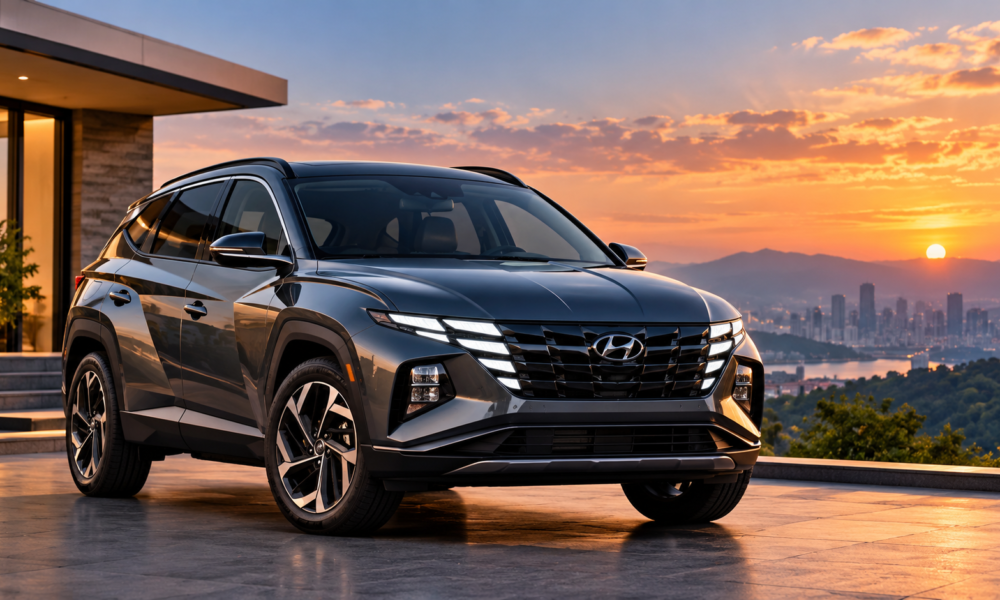
The Tucson’s design has emphasised a distinctive front fascia, sculpted bodywork and a modern SUV profile.
Inside, the previous generation focused on a premium cabin experience. Depending on the variant, equipment included touchscreen-based infotainment, digital driver displays, automatic climate control and other comfort-oriented features.
For used-car buyers, the condition of these systems matters as much as the original equipment list. Infotainment responsiveness, electronic controls and climate-control performance should be inspected during a test drive.
Safety and Driver-Assistance Technology
The Tucson has been associated with active and passive safety features, depending on variant and model year.
These may include multiple airbags, electronic stability-related systems, parking assistance and advanced driver-assistance features on suitably equipped versions.
Equipment differs by configuration. Buyers should verify the exact safety package fitted to the specific vehicle and confirm that its driver-assistance systems are functioning correctly.
Safety ratings should also be interpreted in context because ratings depend on the testing programme, model year and tested configuration.
What Did the Tucson’s Price Range Mean for Buyers?
The last reported Indian ex-showroom price range of ₹27.32 lakh to ₹35.46 lakh placed the Tucson in the premium SUV category.
Ex-showroom prices exclude registration, road tax and insurance. The final on-road cost varies by state, city, variant and applicable charges.
For a used Tucson, buyers should also account for insurance, fuel consumption, tyre replacement, servicing, repairs and replacement-part availability.
A premium SUV purchased at a substantial discount may still have high running costs. A pre-purchase inspection by a qualified mechanic can help identify expensive issues.
Alternatives for Buyers Considering the Premium SUV Segment
With the Tucson reported discontinued in India, buyers looking for a new vehicle will need to compare currently available alternatives.
The appropriate shortlist depends on budget, seating needs, annual driving distance, fuel preference, city use and authorised service availability.
Buyers should examine:
- Actual on-road price and financing costs.
- Rear-seat comfort and boot space.
- Safety equipment and verified crash-test information.
- Fuel efficiency under realistic driving conditions.
- Warranty coverage and service availability.
- Resale value and expected maintenance expenses.
The right alternative is not necessarily the vehicle with the longest feature list. It is the one that best meets the buyer’s needs within a sustainable ownership budget.
What Should Used-Car Buyers Check?
Anyone considering a pre-owned Tucson should examine the service record, accident history, insurance status and ownership documents.
The engine, transmission, suspension, brakes, tyres and electrical systems should be inspected. Buyers should also confirm whether recalls or outstanding service actions apply to the specific vehicle.
For diesel versions, driving patterns and maintenance history are particularly relevant. A professional inspection and a verified vehicle-history check can reduce the risk of unexpected repair expenses.
Conclusion
The Hyundai Tucson remains a useful case study in India’s premium SUV market. It combined a premium-oriented cabin, conventional petrol and diesel powertrains, and technology-focused equipment.





No Comment! Be the first one.