






India’s Steel Industry: How Tata Steel and APL Apollo Are Shaping the Future of Infrastructure
India’s infrastructure sector is growing, and steel remains one of its most important building blocks. From highways and railway stations to residential buildings and industrial facilities,...

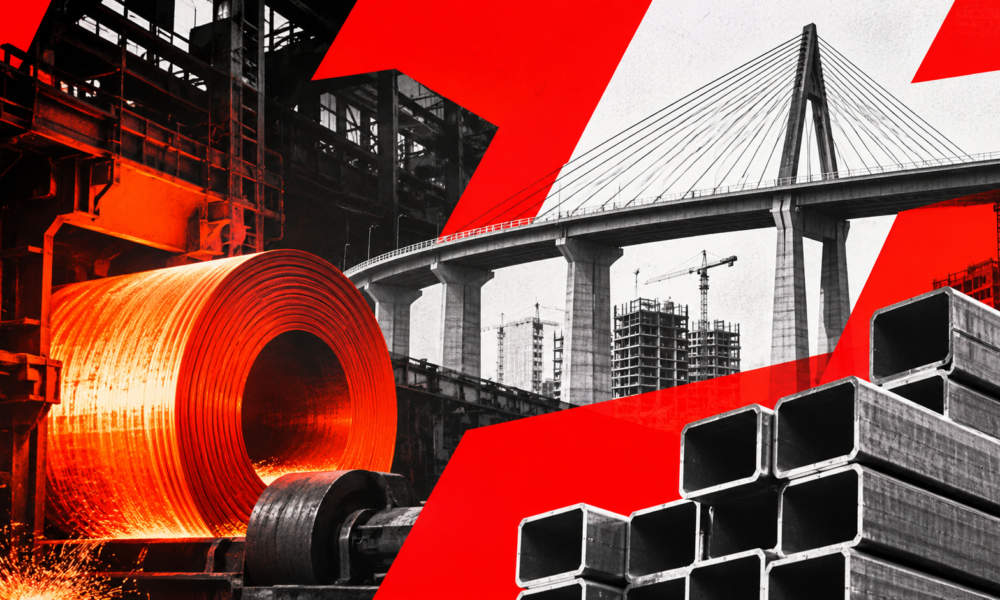
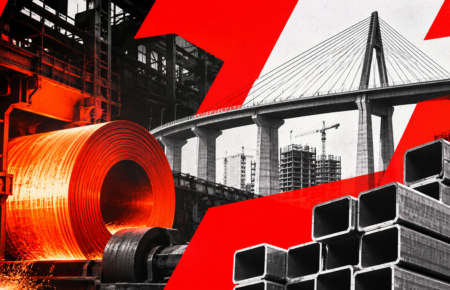
India’s infrastructure sector is growing, and steel remains one of its most important building blocks. From highways and railway stations to residential buildings and industrial facilities, steel plays a major role in the country’s development.
Two companies associated with this growth are Tata Steel and APL Apollo Tubes. While they operate in different parts of the steel industry, both represent the importance of steel products in India’s changing infrastructure landscape.
Why Steel Matters to India’s Infrastructure
Steel is widely used because it offers strength, durability and flexibility. It is an important material in bridges, buildings, factories, warehouses and transport networks.
India’s growing urban population is increasing the need for housing, commercial buildings and public infrastructure. Government investment in roads, railways and industrial development is also creating demand for construction materials.
According to Tata Steel’s FY2025-26 integrated report, India’s steel consumption is projected to grow by 8–9% in 2026. The company also highlights the country’s infrastructure investment pipeline as an important driver of future demand.
Tata Steel: Supporting India’s Industrial Growth
Tata Steel is one of India’s major steel producers. Its operations cover several stages of the steel value chain, including mining, steelmaking and the supply of finished products.
The company’s steel products serve industries such as construction, automobiles, engineering and manufacturing.
Steel is particularly important for large infrastructure projects because these developments require materials that can withstand heavy loads and long-term use.
Tata Steel is also working towards more sustainable steel production. Its integrated report discusses resource efficiency, lower-emission technologies and investments in cleaner production processes.
These efforts matter because the steel industry is energy-intensive and faces increasing pressure to reduce its environmental impact.
APL Apollo: The Importance of Structural Steel
APL Apollo Tubes operates in the structural steel products segment. Its products include steel tubes and pipes used in construction, infrastructure and industrial applications.
Structural steel tubes can be used in warehouses, factories, commercial buildings, bridges and other construction projects.
They offer flexibility in design and can support different types of structures. Their use can also help construction companies plan projects with standardised components.
As India’s industrial and commercial construction sectors expand, the demand for such products could create opportunities for manufacturers like APL Apollo.
The Road Ahead for India’s Steel Industry
India’s steel industry has significant opportunities, but it also faces challenges.
The cost of raw materials, energy consumption, international competition and environmental regulations can influence production and profitability.
Manufacturers will need to focus on modern technology, efficient operations and sustainable production to remain competitive.
Another important factor is the growing demand for specialised steel products. Infrastructure projects increasingly require materials that meet specific strength, quality and safety requirements.
Conclusion
Tata Steel and APL Apollo represent two important parts of India’s steel ecosystem. One operates across a broad steelmaking value chain, while the other focuses on products such as structural steel tubes.
As India develops its cities, transport networks and industrial facilities, steel will remain essential to this transformation.
The industry’s future will depend not only on producing more steel but also on producing better-quality and more sustainable materials.








No Comment! Be the first one.