






How Infrastructure Supports Economic Growth
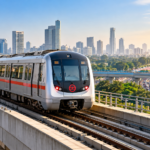
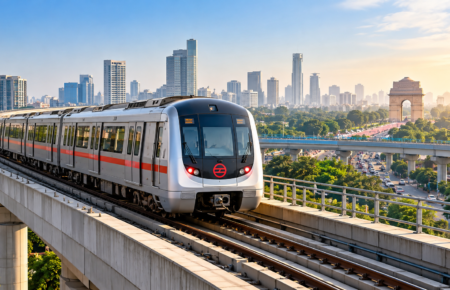
Infrastructure can improve the movement of people, goods and services. Better roads and railways can reduce logistics delays, while reliable power can help factories maintain production. New projects...


Infrastructure can improve the movement of people, goods and services. Better roads and railways can reduce logistics delays, while reliable power can help factories maintain production.
New projects may also create demand for construction materials, engineering services, machinery and skilled labour.
However, the economic benefits depend on project quality, completion timelines, maintenance and the actual demand for the infrastructure being built.
Challenges Facing Infrastructure Development
Large projects can face land acquisition delays, environmental concerns, financing constraints and rising construction costs.
Some projects may also struggle with weak demand or insufficient revenue after completion. Poor maintenance can reduce the value of infrastructure even after substantial public spending.
Effective planning, transparent procurement, timely clearances and regular project monitoring can help reduce these risks.
What to Watch Next
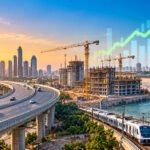
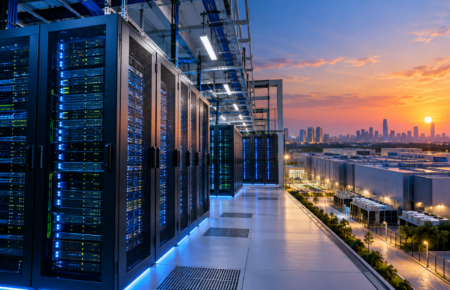
Key indicators include government capital expenditure, highway and railway project completion, private investment, urban transport expansion, renewable energy capacity and data centre development.
Businesses and investors should also track project delays, debt levels, operating costs and the financial health of companies involved in construction and infrastructure services.
Conclusion
Infrastructure development in India covers much more than roads and bridges. It includes transport, energy, water, urban services and digital networks.
Continued investment can support economic activity, but long-term success depends on efficient execution, responsible financing and effective maintenance.






No Comment! Be the first one.