








Infrastructure Stocks in India: Sectors, Key Metrics and Risks
Infrastructure development creates business opportunities across construction, engineering, transport, power and industrial services. Investors looking at infrastructure stocks in India can examine...

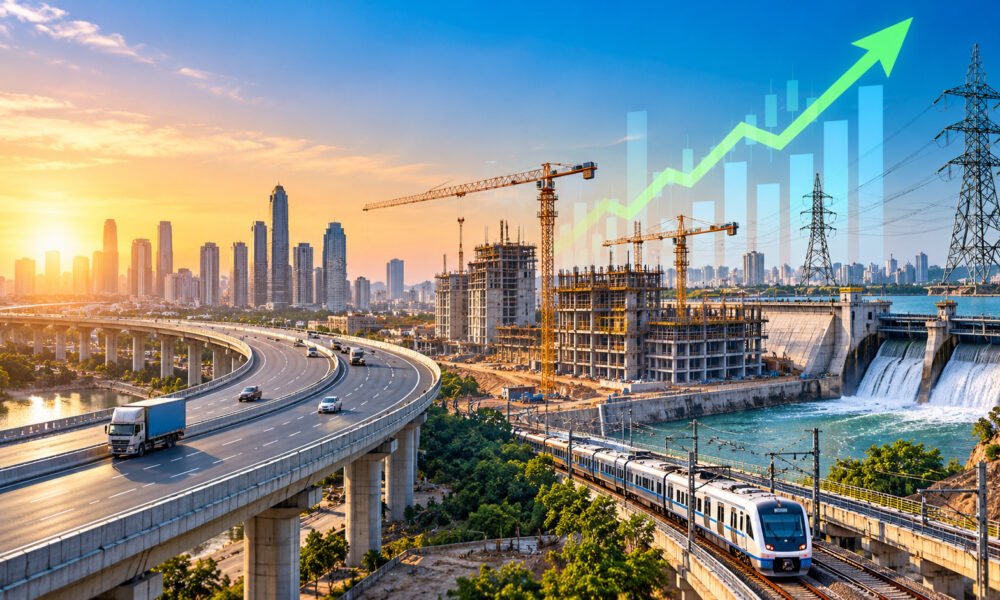
Infrastructure development creates business opportunities across construction, engineering, transport, power and industrial services.
Investors looking at infrastructure stocks in India can examine companies involved in building projects, supplying materials, operating infrastructure assets or providing specialist engineering services.
However, infrastructure is not a single industry. Companies can have very different business models, financial positions and exposure to government spending.
What Are Infrastructure Stocks?
Infrastructure stocks are shares of companies involved in developing, supplying, financing or operating infrastructure.
The term can cover engineering and construction companies, road developers, power transmission businesses, equipment manufacturers and other related companies.
Some businesses earn revenue by completing contracts. Others generate income from operating assets or selling equipment and materials.
Understanding this difference is important when comparing companies.
Major Infrastructure-Linked Sectors
- Engineering and Construction
These companies undertake construction and engineering work for roads, railways, airports, buildings and industrial facilities.
Investors should examine the order book, project execution, profit margins, working capital and the company’s ability to collect payments.
A large order book may provide revenue visibility, but it does not automatically guarantee profits or timely cash collection.
- Roads and Highways
Road developers may construct highways or operate projects under different concession arrangements.
Relevant factors include traffic levels, toll revenue where applicable, project costs, debt and maintenance requirements.
The business model matters because a construction contractor and a highway operator can have different financial risks.
- Power and Energy Infrastructure
Electricity transmission and distribution networks are important for industry, homes and digital services.
Investors may review regulated revenue arrangements, capital expenditure, debt, operating performance and the company’s exposure to changes in regulation.
Businesses involved in renewable energy infrastructure may also face equipment, financing and project execution risks.
- Railways and Transport Equipment
Railway-related companies may supply equipment, signalling systems, components or engineering services.
Their performance can depend on government orders, customer concentration, production capacity and the pace at which projects are executed.
- Infrastructure Materials and Equipment
Companies supplying cement, steel, construction equipment and related products may benefit from building activity.
However, their performance can also depend on commodity prices, fuel costs, demand, competition and the wider construction cycle.
What Can Drive Infrastructure Stocks?
Government capital expenditure, private investment, project awards and demand for transport and energy facilities can influence the sector.
Improved project execution may support revenue, while higher input costs, delayed payments or rising interest rates can pressure profitability.
Investors should distinguish between an announced project, a contract award, work in progress and revenue actually recognised by a company.
These stages do not carry the same financial value.
Financial Metrics to Check
Order Book
The order book indicates the value of contracts awaiting execution. Investors should also assess the timing, margins and quality of those orders.
Revenue and Profit Growth
Review several years of revenue, operating profit and net profit rather than relying on a single quarter.
Debt and Interest Costs
Infrastructure projects can require substantial borrowing. High debt may increase risk when interest rates rise or project cash flows weaken.
Operating Cash Flow
A company can report accounting profits but still face cash pressure if customers delay payments or large amounts of money remain tied up in projects.
Valuation
Price-to-earnings ratios and other valuation measures can help investors compare businesses, but they should be considered alongside growth, debt, margins and business quality.
Different infrastructure business models may require different valuation methods.
Key Risks of Infrastructure Investing
Infrastructure companies may face delayed approvals, land acquisition problems, construction cost increases, contractual disputes and delayed payments.
Some businesses rely heavily on government contracts or a small number of customers. Others may face significant borrowing or exposure to commodity prices.
Share prices can also decline even when a company’s business remains operational, particularly when valuations are high or market expectations change.
How to Research Infrastructure Stocks
Investors can begin with company annual reports, quarterly results, stock exchange filings and investor presentations.
Check the company’s business model, order book, debt, cash flow, margins, project concentration and valuation.
Also examine whether reported growth comes from completed projects, new contracts, acquisitions or one-off gains.
Avoid treating infrastructure stocks as a single group with identical risk and return characteristics.
Conclusion
Infrastructure stocks can provide exposure to companies involved in India’s transport, power, construction and industrial development.
The sector’s outlook depends on investment, project execution and demand, but company-level financial performance remains crucial. Investors should examine cash flow, debt, valuation and operating risks before making investment decisions.
This article is for educational purposes only and is not investment advice.









No Comment! Be the first one.