




Monsoon 2026: Why Urban Infrastructure Struggles With Rain
The Monsoon 2026 season has once again exposed a familiar infrastructure problem across Indian cities: rainfall can quickly overwhelm drainage networks, roads, underpasses and transport systems. The...

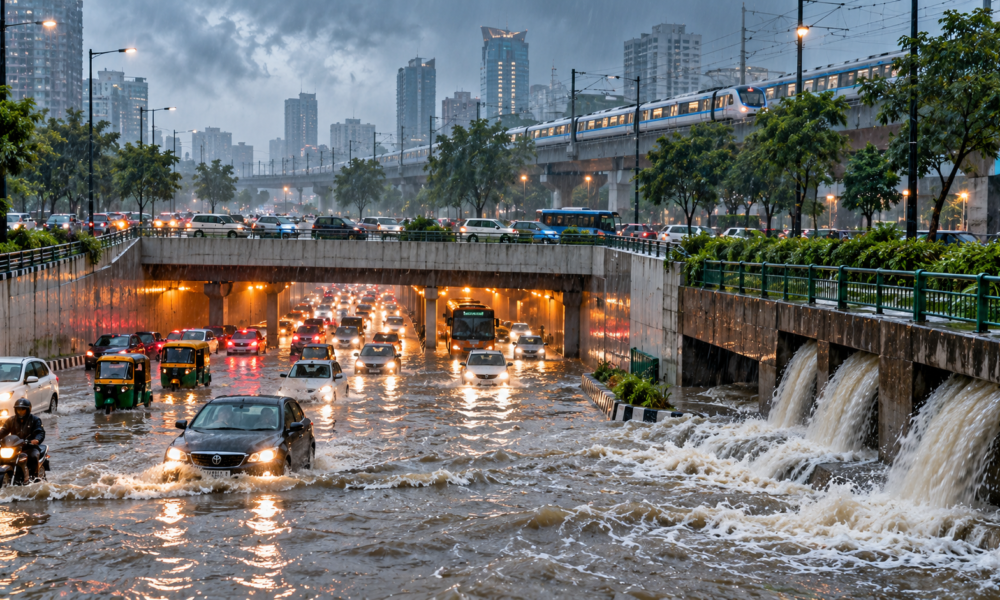
The Monsoon 2026 season has once again exposed a familiar infrastructure problem across Indian cities: rainfall can quickly overwhelm drainage networks, roads, underpasses and transport systems.
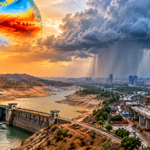
The problem is not simply the amount of rain. Short-duration, high-intensity rainfall can overwhelm stormwater systems that were designed around older rainfall patterns and lower urban density.
The Ministry of Housing and Urban Affairs has identified several factors behind urban flooding, including intense rainfall over short periods, unplanned urban growth, encroachment of natural water bodies and inadequate sewerage and rainwater drainage systems.
Delhi-NCR offers a useful example. During heavy rainfall earlier this monsoon, waterlogging affected major roads and transport corridors, while the Delhi-Noida Expressway and railway areas also experienced disruption. In Gurugram, repeated flooding has placed pressure on roads and the wider stormwater network.
Infrastructure agencies are responding with new projects. Gurugram has been developing a 4.3-km stormwater drain intended to divert excess rainwater away from the overloaded Badshahpur drain. The project has been positioned as part of efforts to reduce recurring waterlogging in the city.
Delhi has also approved a ₹177-crore project focused on remodelling and strengthening stormwater drains using precast reinforced-concrete technology.
These projects illustrate an important shift in urban infrastructure planning. Cities can no longer depend solely on periodic drain cleaning. Drainage capacity, road design, land use, natural water channels and flood storage need to work together.
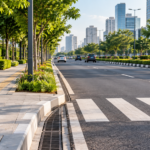
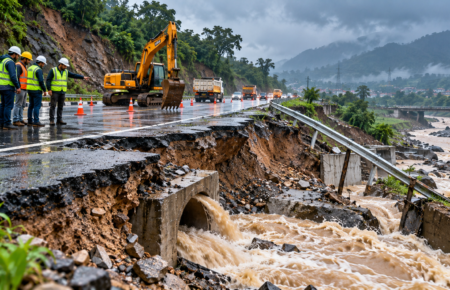
Roads are particularly vulnerable because water can weaken pavement layers and road shoulders. Repeated waterlogging also accelerates deterioration, increasing maintenance requirements.
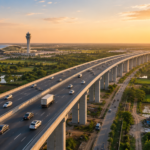
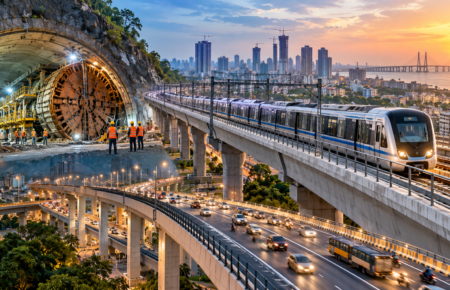
Transport infrastructure is interconnected with drainage infrastructure. A flooded underpass can create traffic congestion across an entire urban corridor. A damaged road can delay emergency vehicles and affect logistics.
The solution therefore involves both new infrastructure and maintenance of existing systems. Drain desilting, pumping capacity, rainwater harvesting, protection of natural drainage channels and improved road engineering all have a role.
The challenge for Indian cities is that urbanisation is increasing faster than many legacy drainage networks were designed to accommodate.
Monsoon 2026 is once again demonstrating that flood management is not simply a seasonal activity. It is a year-round infrastructure planning challenge.
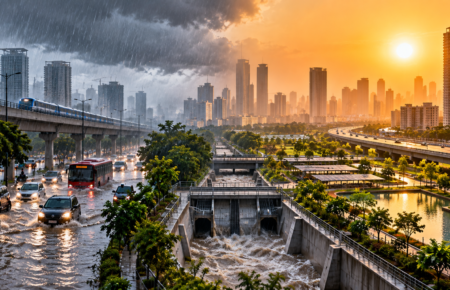
Suggested featured image: Indian metropolitan street transformed by heavy monsoon rain, submerged underpass, stormwater drains and traffic, realistic, no text.



No Comment! Be the first one.