








Piped Gas Push Gains Urgency as India Turns Supply Strain into Structural Reform
India’s energy planners appear to be using a moment of stress to accelerate a long-pending transition. The disruption in LPG supply has nudged policymakers to move with greater urgency on expanding...

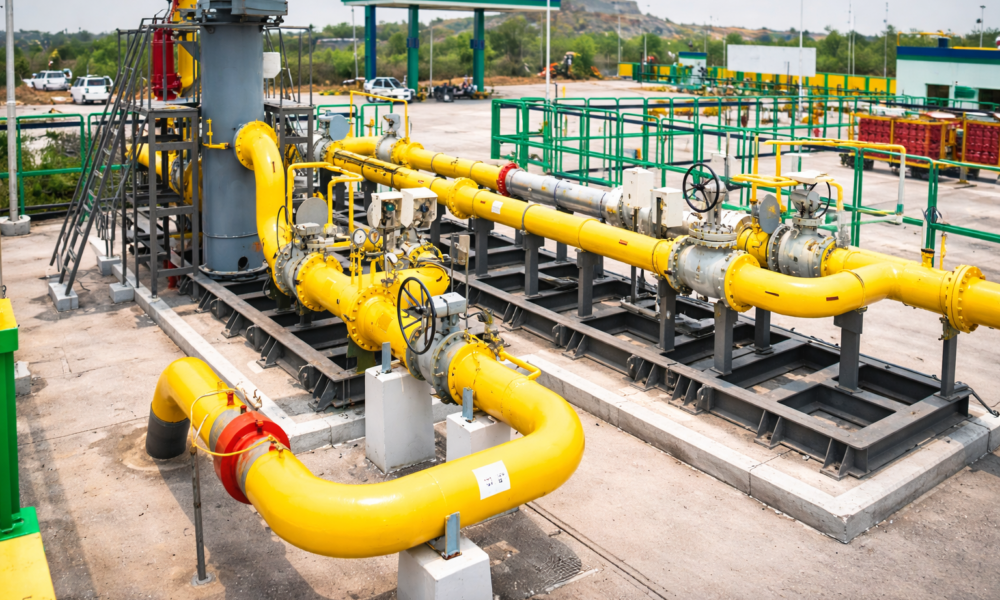
India’s energy planners appear to be using a moment of stress to accelerate a long-pending transition. The disruption in LPG supply has nudged policymakers to move with greater urgency on expanding the piped natural gas network, a shift that could reshape how urban households access cooking fuel.
Data for March 2026 shows a sharp uptick in PNG connections, with nearly 5.8 lakh households added in a single month. This acceleration is not incidental. It reflects a deliberate policy pivot aimed at reducing dependence on imported LPG and building a more stable, domestic gas-based distribution system.
Officials have set an ambitious target of connecting 35 to 40 million households over the coming years. To support this, the government has begun easing procedural bottlenecks that have historically slowed pipeline rollout. Faster approvals, combined with incentives for city gas distribution companies, are expected to compress timelines and improve project viability.
The implications go beyond household convenience. A wider PNG network could soften the fiscal burden of LPG subsidies, which tend to rise with global price volatility. It also strengthens India’s energy security by diversifying the fuel mix and relying more on pipeline infrastructure than cylinder logistics.
Yet, execution remains the real test. Expanding last-mile connectivity in densely populated urban clusters and smaller towns will require sustained coordination between central agencies, state governments and private operators. The pace seen in recent months suggests intent, but the scale of the task leaves little room for complacency.
If carried through, this shift could mark a quiet but significant reordering of India’s urban energy architecture.









No Comment! Be the first one.