



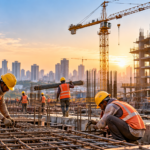




Public capital expenditure sets the pace as private investment waits on the sidelines
India’s infrastructure story continues to be driven by public spending, with the Centre’s capital expenditure for FY27 pegged at ₹12.2 lakh crore. The scale of this allocation reinforces the...

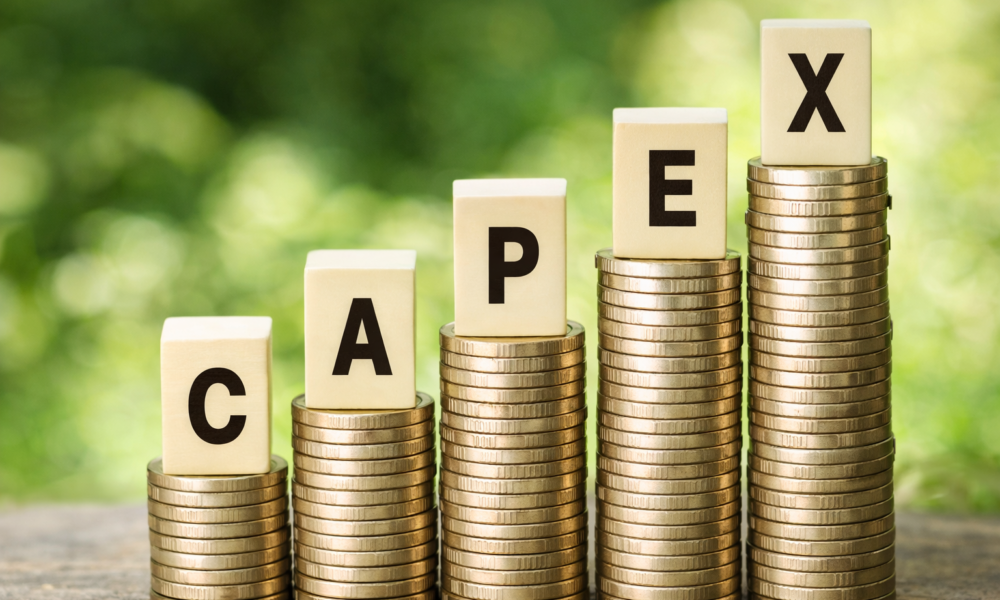
India’s infrastructure story continues to be driven by public spending, with the Centre’s capital expenditure for FY27 pegged at ₹12.2 lakh crore. The scale of this allocation reinforces the government’s role as the principal engine of infrastructure creation at a time when private investment remains cautious.
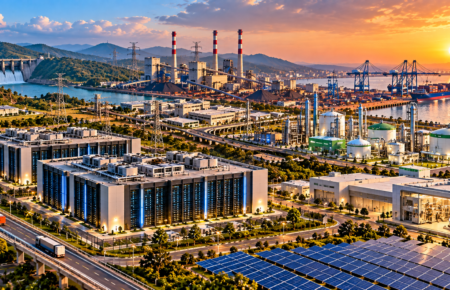
The emphasis remains on core sectors such as roads, railways, urban infrastructure, and energy. These are areas where multiplier effects are both visible and politically salient. Highways expand market access, rail upgrades ease freight movement, and urban investments respond to the pressures of rapid migration.
Yet, the reliance on public capital raises structural questions. Infrastructure, by design, requires long-term financing and risk-sharing mechanisms that go beyond budgetary support. The government has sought to address this through initiatives such as the development of City Economic Regions and the introduction of risk guarantee frameworks aimed at crowding in private players.
The response from industry, however, has been measured. Balance sheets have improved in recent years, but uncertainties around demand, regulatory processes, and project viability continue to weigh on investment decisions. In this context, public spending has acted as both a stimulus and a signal, attempting to anchor confidence in the broader economy.
There is also the question of efficiency. Large allocations do not automatically translate into outcomes. Timely execution, land acquisition, and coordination between multiple agencies remain persistent challenges. Delays not only escalate costs but also dilute the economic gains that infrastructure projects are expected to deliver.
For now, the government’s approach is clear. It is willing to carry the burden of investment to sustain growth momentum. The next phase will depend on whether this spending can successfully crowd in private capital, turning a state-led push into a more balanced investment cycle.






No Comment! Be the first one.