



Sagarmala Programme Doubles India’s Port Capacity, Strengthening the Backbone of Maritime Infrastructure
India’s maritime infrastructure is undergoing one of its biggest transformations in decades, with the Sagarmala Programme significantly expanding port capacity and improving connectivity across...

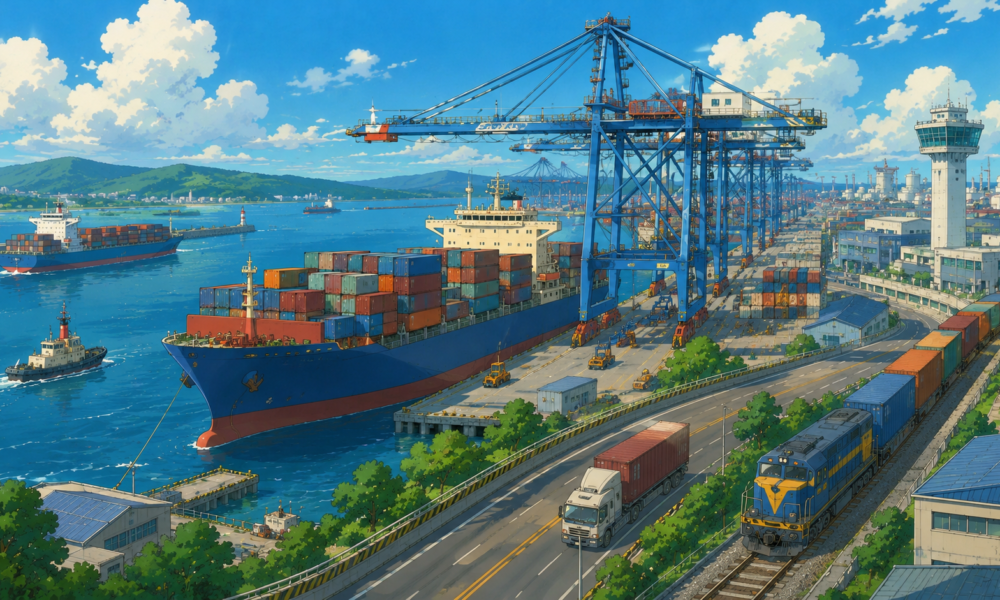
India’s maritime infrastructure is undergoing one of its biggest transformations in decades, with the Sagarmala Programme significantly expanding port capacity and improving connectivity across the country. According to the latest update from the Ministry of Ports, Shipping and Waterways, India’s combined cargo handling capacity at major and non major ports has reached 2,818 million tonnes per annum (MTPA) as of March 2026, nearly double the approximately 1,400 MTPA recorded in 2013-14.
The achievement highlights the steady progress of the Centre’s port-led development strategy, which aims to improve logistics efficiency, reduce transportation costs and strengthen India’s position as a global maritime hub. With international trade expected to rise over the coming years, expanding port infrastructure has become a key pillar of India’s economic growth agenda.
Launched to modernise the country’s maritime ecosystem, the Sagarmala Programme focuses on five major areas including port modernisation, port connectivity, port-led industrialisation, coastal community development, and coastal shipping along with inland water transport. Together, these initiatives are designed to create a seamless logistics network connecting ports with industrial clusters, highways, railways and inland waterways.
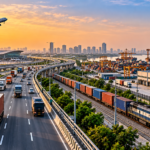
One of the most significant outcomes has been improved connectivity between ports and their hinterland. The Ministry, in coordination with the Ministry of Road Transport and Highways, the Ministry of Railways and the Department for Promotion of Industry and Internal Trade, identified 294 road and rail connectivity projects under the Comprehensive Port Connectivity Plan.
Of these projects, 84 have already been completed, while 66 are currently under implementation. Another 144 projects remain in the planning stage, ensuring that infrastructure development continues well into the coming years. These projects include dedicated rail corridors, highway upgrades and last mile connectivity improvements that are expected to reduce logistics bottlenecks and improve cargo movement across the country.
The inland waterways segment has also witnessed notable expansion. The Inland Waterways Authority of India has completed multiple multimodal terminals, inland water transport terminals and Roll-on Roll-off facilities across National Waterways, providing alternative freight routes that reduce congestion on roads while lowering transportation costs. These projects are expected to play an increasingly important role in supporting sustainable logistics.
States continue to benefit from targeted investments under the programme. Andhra Pradesh, for example, has received financial assistance for projects covering passenger jetties, fishing harbours, port modernisation and skill development. Similar investments are being made across coastal states to strengthen local economies while improving maritime infrastructure.
Industry experts believe stronger port infrastructure is becoming increasingly important as global supply chains evolve. Better cargo handling capacity, faster turnaround times and improved multimodal connectivity enhance India’s competitiveness in international trade while attracting manufacturing and logistics investments.
The government’s Maritime Amrit Kaal Vision 2047 further builds on this foundation by promoting advanced port infrastructure, shipbuilding, green shipping and coastal economic development. New projects, including shipbuilding clusters and modern repair facilities, are expected to complement existing investments and position India among the world’s leading maritime economies.
As infrastructure development continues, the expansion of port capacity is expected to support higher exports, improve supply chain resilience and lower logistics costs for businesses. With stronger connectivity between ports, industries and transport corridors, India’s maritime sector is steadily becoming a powerful engine for long term economic growth.





No Comment! Be the first one.