







Semicon 2.0: Why India’s New Semiconductor Push Needs Infrastructure Beyond Chip Plants
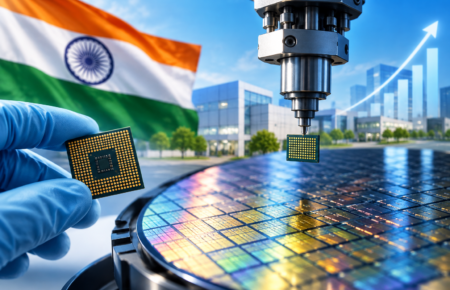
India’s latest semiconductor push is about much more than building chip factories. With the Union Cabinet approving the India Semiconductor Mission (Semicon 2.0) with an outlay of ₹1.27 lakh...

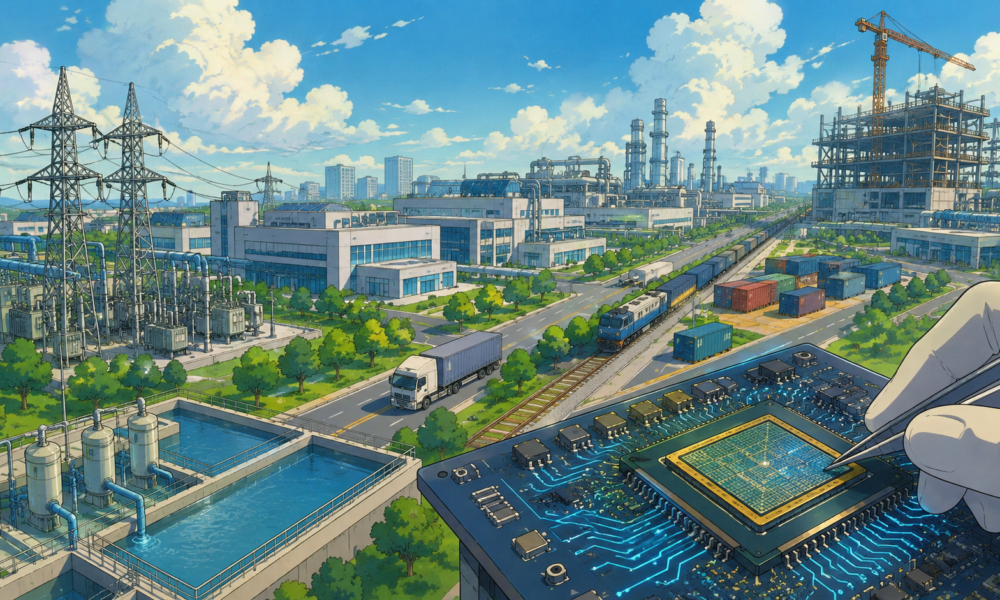
India’s latest semiconductor push is about much more than building chip factories. With the Union Cabinet approving the India Semiconductor Mission (Semicon 2.0) with an outlay of ₹1.27 lakh crore alongside a ₹62,500 crore Mobile Phone Manufacturing Scheme, the country is laying the foundation for a much larger industrial ecosystem. The combined investment marks one of India’s biggest technology manufacturing initiatives to date.
While semiconductor fabrication plants often grab headlines, industry experts say they represent only one part of a much bigger infrastructure challenge. A successful semiconductor industry depends on uninterrupted power supply, ultra-pure water, specialised industrial parks, advanced logistics, skilled talent, testing facilities and a reliable network of suppliers.
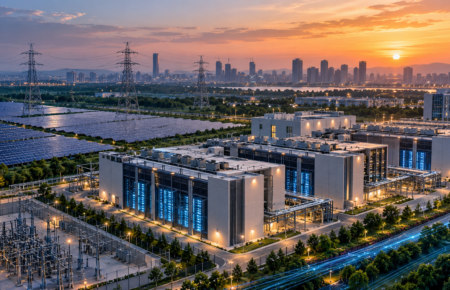
Chip manufacturing is among the world’s most infrastructure-intensive industries. A modern fabrication plant consumes vast amounts of electricity every day and requires millions of litres of ultra-pure water for wafer production. Even minor disruptions in power or water quality can affect manufacturing processes, making reliable infrastructure as important as the technology itself.
Recognising this, Semicon 2.0 expands its focus beyond manufacturing incentives. The programme aims to strengthen the complete semiconductor value chain by supporting design, research, advanced packaging, ecosystem development and domestic innovation. It also seeks to encourage semiconductor startups through milestone-based funding and equity participation, helping build home-grown technology companies instead of relying only on global manufacturers.
Industrial infrastructure will play a decisive role in achieving these goals. Semiconductor clusters require dedicated substations, high-capacity transmission lines, water treatment plants, waste management systems and secure transportation networks. These facilities are essential to attract global companies looking for dependable manufacturing locations.
The growth of India’s semiconductor industry is also expected to create demand for supporting sectors. Data centres, electronics manufacturing units, precision engineering companies, specialty chemical suppliers, gas manufacturers and logistics providers are likely to benefit as chip production expands. This multiplier effect could help create integrated manufacturing hubs similar to those seen in Taiwan, South Korea and parts of the United States.
States that already have industrial infrastructure are expected to be among the biggest beneficiaries. Gujarat, Assam and Uttar Pradesh have emerged as key destinations for semiconductor investments in recent years, supported by land availability, industrial policies and improving connectivity. Existing projects by Tata Electronics, Micron and other companies have already started creating the building blocks for a wider semiconductor ecosystem.
However, infrastructure challenges remain. India will need to continue investing in reliable electricity, efficient freight corridors, ports, airports and specialised industrial utilities to compete with established semiconductor manufacturing nations. Developing a skilled workforce through universities and technical institutes will also be critical as demand for semiconductor engineers and technicians grows.
The government’s latest policy recognises that semiconductor manufacturing is not simply about constructing factories. It is about building an entire ecosystem where infrastructure, logistics, research, manufacturing and innovation work together.
As global companies diversify their supply chains, India has an opportunity to strengthen its position in the semiconductor industry. The success of Semicon 2.0 will depend not only on the number of chip plants that are built, but also on the quality of the infrastructure that supports them.
If these supporting systems develop at the same pace as manufacturing, India’s semiconductor ambitions could extend far beyond assembly and packaging, positioning the country as an important player in the global electronics supply chain and creating long-term opportunities for infrastructure, manufacturing and economic growth.






No Comment! Be the first one.