



Why Bihar’s Record Rail Allocation Matters Beyond One State
India’s infrastructure spending is increasingly moving towards projects that improve regional connectivity and reduce logistical bottlenecks. The Centre’s decision to allocate more than...

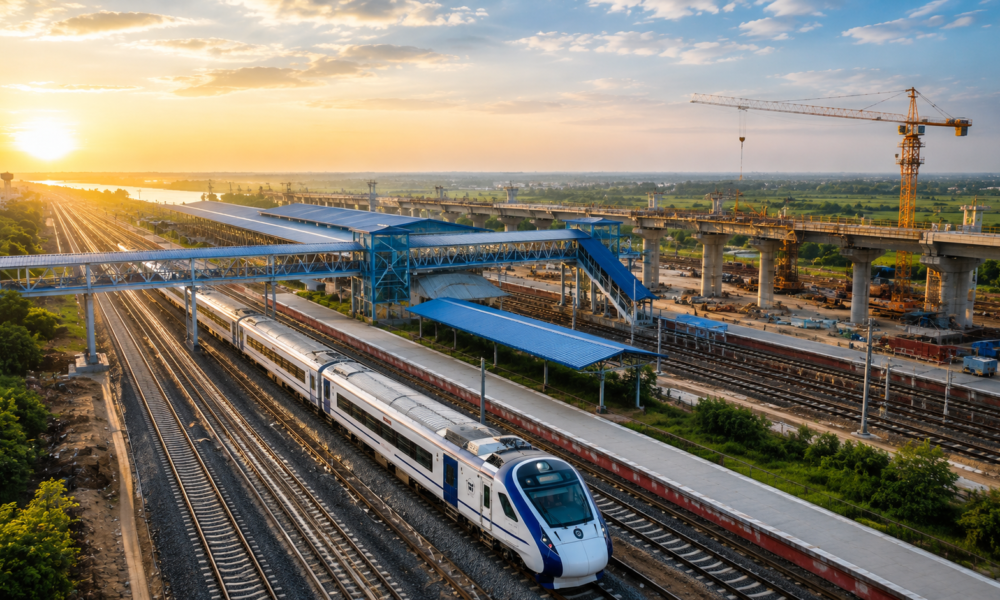
India’s infrastructure spending is increasingly moving towards projects that improve regional connectivity and reduce logistical bottlenecks.
The Centre’s decision to allocate more than ₹10,000 crore for railway infrastructure development in Bihar for the financial year 2026-27 is significant not only because it is the state’s highest-ever rail outlay, but also because it reflects a broader shift towards strengthening transport networks in eastern India.
The investment will support new railway lines, track doubling, station redevelopment and electrification projects. Better rail connectivity can lower transportation costs, improve access to markets and create opportunities for industries that depend on efficient freight movement.
For Bihar, which has historically faced infrastructure deficits compared with several western and southern states, the allocation has the potential to reshape economic activity. Improved rail networks often encourage industrial investment, support tourism and strengthen links between smaller towns and major economic centres.
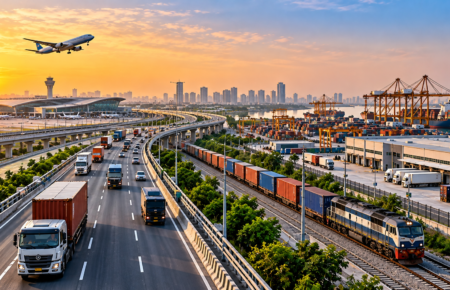
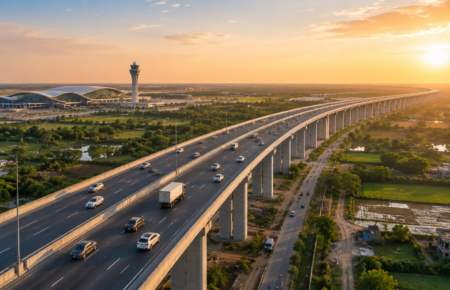
The announcement also underlines the growing importance of railways in India’s infrastructure strategy. As the country expands highways, airports and metro systems, rail continues to remain one of the most effective tools for improving mobility and supporting long-term economic development.







No Comment! Be the first one.