







Why India’s Earthquake Monitoring Network Is Becoming Critical Infrastructure
The recent attention on seismic activity is a reminder that earthquakes do not merely shake the ground. They can also severely damage critical infrastructure. Every major earthquake puts roads,...

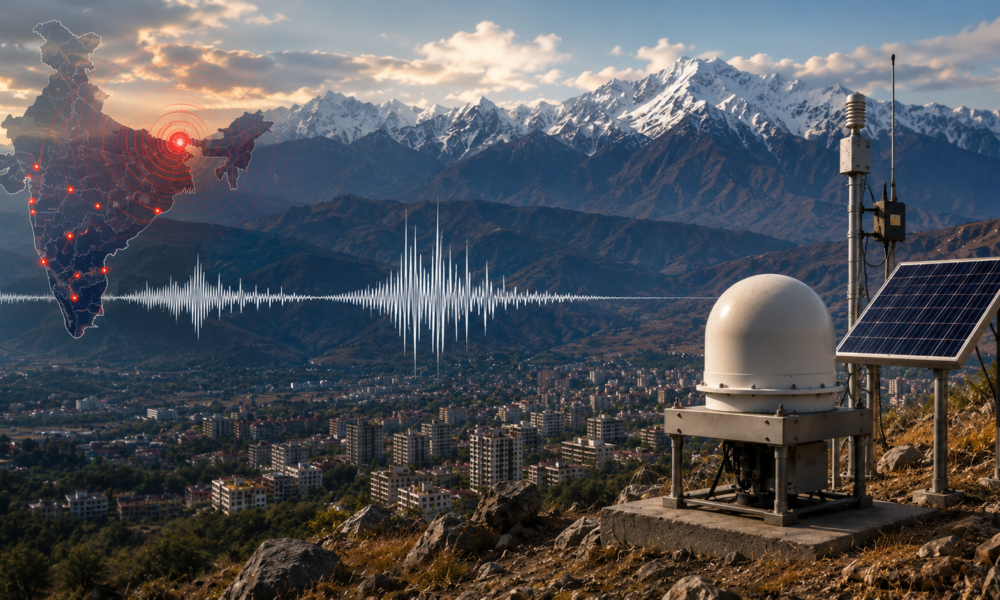
The recent attention on seismic activity is a reminder that earthquakes do not merely shake the ground. They can also severely damage critical infrastructure. Every major earthquake puts roads, bridges, railway lines, power grids and urban communication networks to the test.
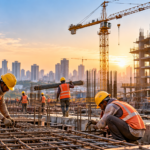
India is building more highways, metro systems, airports and tunnel corridors than ever before. However, these projects must now place even greater emphasis on earthquake preparedness.
More than half of India’s landmass is vulnerable to seismic activity. Cities such as Delhi, Guwahati, Srinagar and Dehradun, along with much of the Himalayan region, face a higher risk of earthquakes. Many of the country’s new infrastructure projects are located in or near these earthquake-prone areas.
If these assets are not designed to withstand seismic events, India could face significant infrastructure losses in the future.
Infrastructure planning is therefore evolving from simply building assets to constructing infrastructure that is stronger, safer and more resilient.
New projects are increasingly incorporating earthquake-resistant features, including flexible structural designs, shock absorbers, reinforced foundations and real-time monitoring systems.
Before construction begins, sites must be carefully assessed for seismic risks. This now requires detailed geological and geotechnical studies to determine the suitability of locations and identify potential vulnerabilities.
Technology is also becoming an increasingly important tool in disaster management. India is expanding the use of seismic sensors, satellite-based monitoring systems and early warning technologies. These systems can detect ground movement quickly and help authorities respond more effectively.
A major earthquake can simultaneously disrupt several essential services, including:
- Electricity supply• Water systems• Transport and logistics networks• Telecommunications services
Such disruptions can affect businesses, economic activity and daily life far beyond the immediate earthquake zone.
As India continues its infrastructure expansion, resilience is becoming just as important as construction itself. Earthquake monitoring networks and disaster preparedness systems are increasingly emerging as critical infrastructure assets.
The true measure of good infrastructure is not simply whether it performs during normal times. It is whether it continues to function when natural disasters, such as earthquakes, strike.






No Comment! Be the first one.