






India’s Infrastructure Push Reaches New Milestone as Decade of Investment Reshapes Connectivity
India’s infrastructure sector has entered a new phase of growth, driven by sustained public investment, integrated planning and large scale project execution across transport, logistics,...

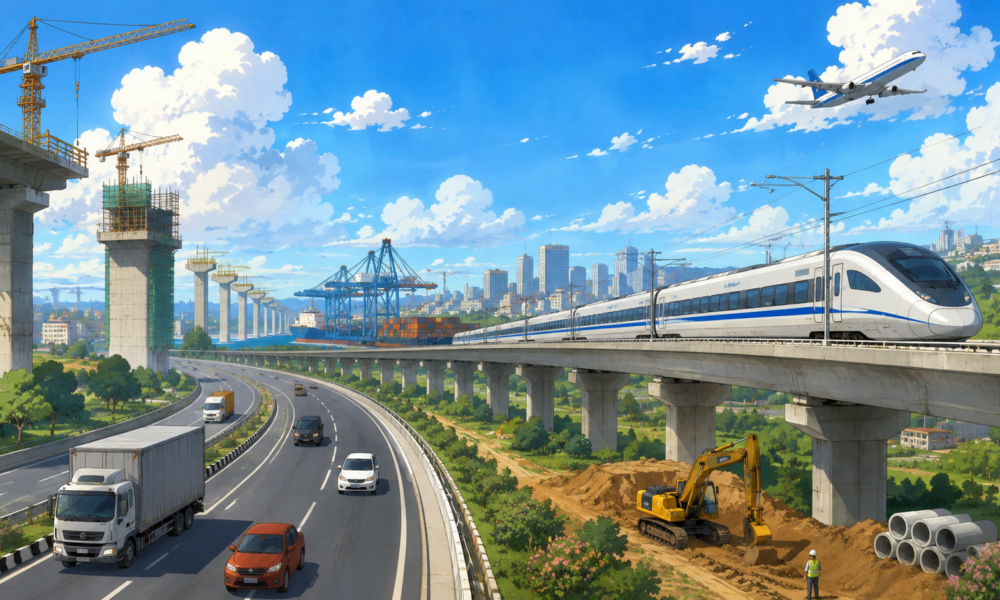
India’s infrastructure sector has entered a new phase of growth, driven by sustained public investment, integrated planning and large scale project execution across transport, logistics, housing, water and digital connectivity. A recent government review highlights how the country’s infrastructure landscape has changed over the past decade, positioning it to support long term economic growth and improve connectivity nationwide.
One of the biggest drivers of this transformation has been the sharp rise in public capital expenditure. Government spending on infrastructure has increased from around Rs 2 lakh crore in 2014 to a budget estimate of Rs 12.2 lakh crore for the 2026 to 27 financial year. This steady increase reflects a continued focus on creating long lasting assets that improve mobility, generate employment and attract private investment.
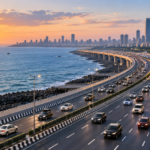
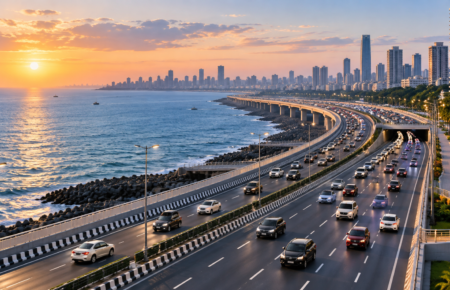
Road infrastructure has seen remarkable expansion during this period. India’s National Highways network has grown from about 91,000 kilometres in 2014 to more than 1.46 lakh kilometres today. The expansion has been supported by flagship programmes such as Bharatmala Pariyojana, while new expressways and access controlled corridors have reduced travel time and improved freight movement across major economic regions.
The railway sector has also witnessed significant modernisation. Budgetary support for Indian Railways has increased nearly nine times over the past decade, enabling investments in electrification, station redevelopment, track upgrades and safety systems. The country’s broad gauge network is now almost fully electrified, improving operational efficiency while reducing dependence on fossil fuels. The introduction of Vande Bharat trains, Dedicated Freight Corridors and the gradual rollout of the Kavach train protection system have further strengthened the railway network.
India has also expanded its airport, port and logistics infrastructure. The Sagarmala programme has enhanced port capacity and coastal connectivity, while the UDAN scheme has improved regional air connectivity by linking smaller cities with the national aviation network. Alongside these developments, PM Gati Shakti has brought multiple infrastructure sectors under a single planning framework, helping improve coordination between roads, railways, ports, airports and industrial corridors.
Beyond transport, investments have extended to housing, drinking water, energy and digital infrastructure. Programmes such as Jal Jeevan Mission have expanded access to safe drinking water, while digital initiatives have improved internet connectivity across rural and urban areas. These efforts aim to improve quality of life while supporting inclusive economic development.
Infrastructure financing has also evolved during this period. Institutions such as the National Bank for Financing Infrastructure and Development and the National Investment and Infrastructure Fund have strengthened access to long term capital. New measures announced in the Union Budget 2026 to 27, including the Infrastructure Risk Guarantee Fund and City Economic Regions, are expected to encourage greater private sector participation and accelerate project delivery.
With infrastructure continuing to remain at the centre of India’s development strategy, policymakers believe sustained investment in transport, logistics and urban infrastructure will play a crucial role in supporting economic growth, improving competitiveness and creating new opportunities for businesses and citizens alike.





No Comment! Be the first one.