





India’s Industrial Corridors Gather Pace as Integrated Infrastructure Push Strengthens Manufacturing Ecosystem
India’s industrial infrastructure is entering a new phase of expansion as the government accelerates the development of integrated industrial corridors designed to strengthen manufacturing,...

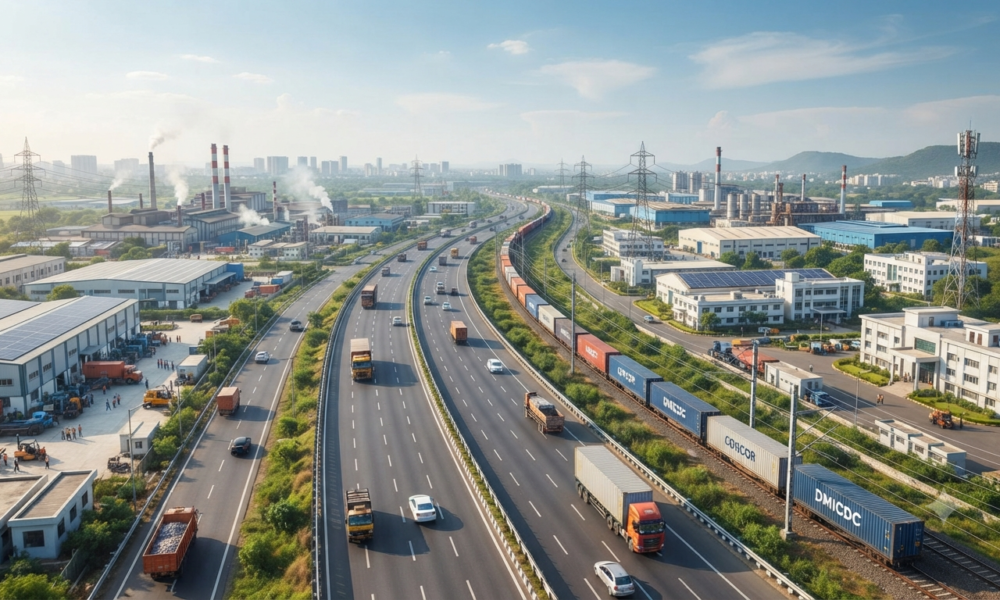
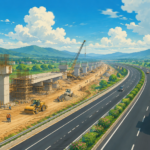
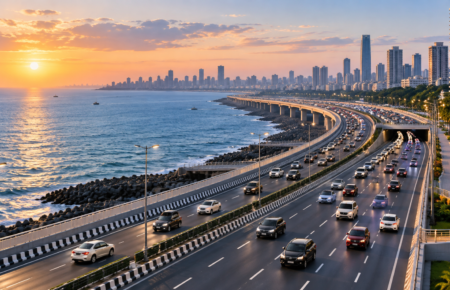
India’s industrial infrastructure is entering a new phase of expansion as the government accelerates the development of integrated industrial corridors designed to strengthen manufacturing, logistics and exports. The latest push builds on the vision announced in the Union Budget 2026-27, with renewed focus on creating connected industrial clusters supported by highways, rail freight, ports and digital infrastructure.
The Centre’s strategy goes beyond creating industrial parks. The objective is to develop complete economic ecosystems where manufacturers, logistics providers, suppliers and service companies operate within well-connected corridors. This approach is expected to reduce transportation costs, improve supply chain efficiency and attract greater domestic and international investment.
A key highlight is the proposed integrated East Coast Industrial Corridor, which is expected to strengthen connectivity between major manufacturing centres and ports across eastern India. By improving multimodal transport links, the corridor aims to make exports more competitive while supporting industries ranging from electronics and automotive components to renewable energy equipment and advanced manufacturing.
The industrial corridor programme is closely aligned with PM GatiShakti, the national master plan that integrates planning across ministries and states using a GIS-based platform. This coordinated planning framework helps ensure that roads, railways, ports, airports, power infrastructure and logistics facilities are developed in tandem rather than as standalone projects. The result is faster project execution and improved infrastructure utilisation.
Industry experts believe integrated infrastructure is becoming one of India’s strongest competitive advantages. Manufacturers increasingly evaluate locations based not only on land availability but also on logistics efficiency, reliable power supply, digital connectivity and access to skilled talent. Industrial corridors are designed to address each of these requirements within a single development framework.
The impact extends beyond large metropolitan regions. Emerging manufacturing cities and tier two locations stand to benefit from improved transport connectivity, creating opportunities for warehousing, commercial real estate, residential development and supporting services. As production capacity expands, these regions are expected to witness increased employment generation and stronger economic activity.
The government’s continued investment in highways, dedicated freight corridors, multimodal logistics parks and industrial infrastructure reflects a broader strategy of positioning India as a global manufacturing destination. Recent policy initiatives continue to prioritise infrastructure as a key driver of economic growth and private investment.
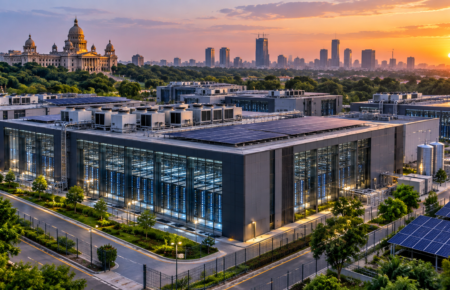
For the infrastructure and real estate sectors, industrial corridors represent more than transportation projects. They create long term demand for industrial parks, logistics hubs, commercial assets, worker housing and urban infrastructure. Developers, investors and institutional funds are increasingly tracking these regions as future growth centres.
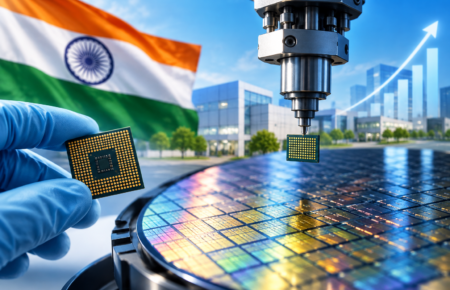
As India expands its manufacturing ambitions under initiatives such as Make in India and Production Linked Incentive schemes, integrated industrial corridors are expected to become the backbone of the country’s next phase of economic development. Better connectivity, coordinated planning and modern infrastructure are creating an ecosystem that supports investment while improving India’s competitiveness in global supply chains.




No Comment! Be the first one.