








India’s Grade A Warehousing Supply Set to Reach 50 Million sq ft by End of 2026: Colliers
India’s industrial and warehousing sector is poised for another year of expansion, with Grade A warehouse supply expected to reach between 45 million and 50 million square feet by the end of...

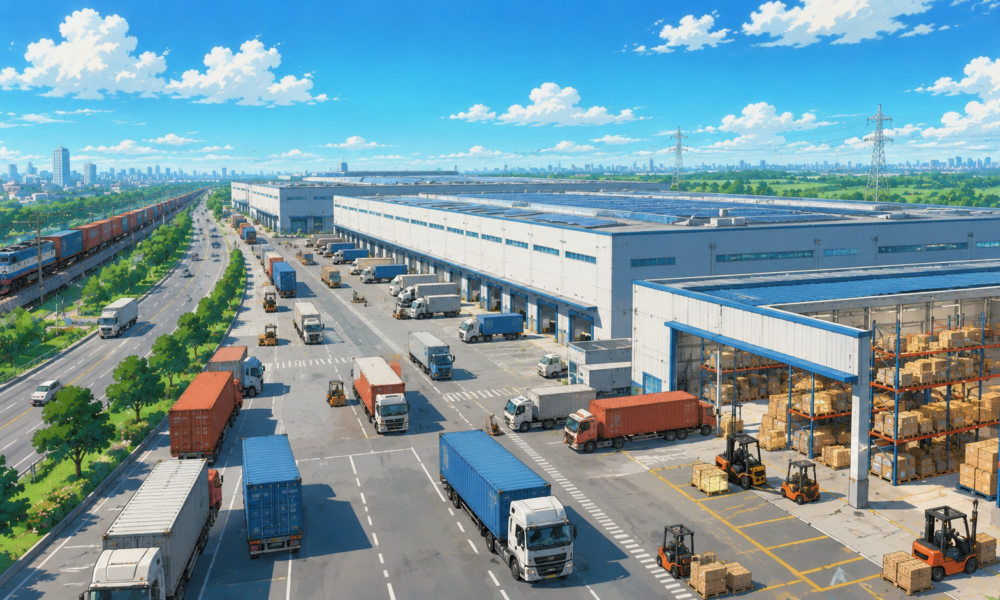
India’s industrial and warehousing sector is poised for another year of expansion, with Grade A warehouse supply expected to reach between 45 million and 50 million square feet by the end of 2026. According to the latest Colliers report, strong infrastructure investment, rising domestic manufacturing and sustained occupier demand are encouraging developers to maintain a healthy construction pipeline despite global economic uncertainty.
The report highlights that India’s logistics real estate market continues to benefit from major public infrastructure projects, including expressways, dedicated freight corridors, multimodal logistics parks and industrial corridors. These projects are improving connectivity across key manufacturing hubs, making high quality warehouse assets more attractive for occupiers and investors alike.
Industrial and warehousing leasing remained resilient during the first half of 2026, reaching nearly 22 million square feet across the country’s top eight cities, representing a 12 per cent year on year increase. Delhi NCR and Chennai emerged as the leading markets, together accounting for more than 45 per cent of total leasing activity. Third party logistics companies remained the largest occupier segment, while engineering, manufacturing and e commerce firms also recorded strong demand.
Developers have continued to respond with fresh supply. Approximately 24.7 million square feet of Grade A industrial and warehousing space entered the market during the first six months of the year. Although supply marginally exceeded leasing activity, market fundamentals remained healthy, supported by long term demand from manufacturing and organised logistics operators. Vacancy levels saw only a modest increase, reflecting balanced market conditions rather than oversupply.
India’s warehousing sector has undergone a significant transformation over the past decade. Modern Grade A facilities now offer automated material handling systems, higher floor load capacities, advanced fire safety infrastructure, temperature controlled storage and sustainability features that meet global occupier standards. As supply chains become increasingly technology driven, occupiers are prioritising efficient, well connected assets over conventional warehouses.
The report also points to the growing influence of domestic manufacturing initiatives such as Make in India and Production Linked Incentive schemes. These programmes continue to attract investments across electronics, automotive, engineering and consumer goods manufacturing, generating additional demand for logistics infrastructure. The expansion of e commerce and organised retail is further supporting warehouse absorption across both metropolitan and emerging Tier II markets.
Industry experts believe that improving multimodal connectivity is becoming a decisive factor in warehouse location strategies. Better integration between highways, rail freight, ports and airports is helping occupiers reduce transit times while improving inventory management. This is encouraging developers to focus on logistics parks situated close to major freight corridors and industrial clusters.
Looking ahead, investor confidence in India’s logistics real estate sector remains positive. The combination of infrastructure expansion, manufacturing growth, policy support and rising consumption is expected to sustain demand for Grade A warehousing through the remainder of 2026. As supply continues to expand alongside occupier requirements, the sector is likely to remain one of the strongest performing segments within India’s commercial real estate market.








No Comment! Be the first one.