








Mumbai, Delhi-NCR and Bengaluru Among Asia-Pacific’s Top Logistics Markets as Warehouse Rents Rise
India’s logistics real estate market is gaining momentum, with Mumbai, Delhi-NCR and Bengaluru emerging among the top Asia-Pacific markets for logistics rental growth in the first half of 2026....

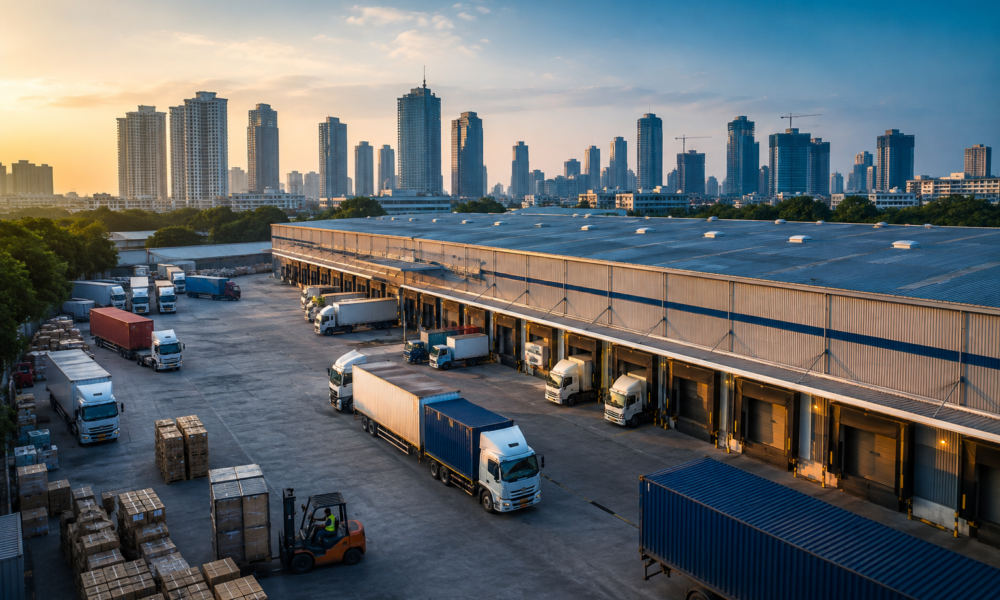
India’s logistics real estate market is gaining momentum, with Mumbai, Delhi-NCR and Bengaluru emerging among the top Asia-Pacific markets for logistics rental growth in the first half of 2026.
According to Knight Frank’s Asia-Pacific Logistics Highlights H1 2026 report, Mumbai recorded a 5.3% year-on-year rise in logistics rents, the strongest growth among the three Indian markets. Delhi-NCR followed with 5.2%, while Bengaluru recorded 4.4% growth. All three cities featured among the top 10 Asia-Pacific markets for annual logistics rental growth during the period.
Mumbai recorded the fourth-highest annual rental growth among the 18 Asia-Pacific markets tracked by Knight Frank. Delhi-NCR also recorded 2.8% growth over the previous six months. Prime logistics rents in the region stood at around ₹22.30 per sq ft per month, while vacancy fell to 14.7%.
Bengaluru reported annual rental growth of 4.4% and half-year growth of 2.2%. Prime logistics rents in the city were around ₹23.50 per sq ft per month, with vacancy at 17.6%. Mumbai remained the strongest Indian market in terms of rental growth, reflecting sustained demand for well-located logistics facilities.
The performance of India’s logistics markets comes at a time when businesses are changing the way they manage supply chains. Manufacturing activity, rising domestic consumption and diversification of supply chains are encouraging companies to look for modern warehouses that can support larger inventories and faster distribution.
The demand is coming from several parts of the economy. Manufacturers, retailers, e-commerce companies and third-party logistics providers are increasingly looking for facilities with better connectivity, higher operational efficiency and modern infrastructure. This is gradually changing the profile of India’s warehousing market, where location and asset quality are becoming increasingly important factors for occupiers.
The wider Asia-Pacific market, however, is seeing more moderate rental growth. Logistics rents across the region increased 1.2% on a half-year basis during H1 2026. Knight Frank expects rents across much of the region to remain broadly stable in the second half of the year, with rental growth likely to stay below 2%.
India’s stronger performance therefore stands out against the broader regional trend. Continued manufacturing investment and supply-chain restructuring are expected to support demand for logistics and warehousing space in major Indian markets.
For real estate developers and investors, the trend points to a broader shift in the role of logistics assets within India’s property market. Warehouses are no longer being treated simply as storage facilities. Their proximity to highways, ports, airports, consumption centres and manufacturing clusters can directly affect delivery times and operating costs.
Delhi-NCR, in particular, benefits from its large consumer base and extensive road network, while Mumbai’s position as a major commercial and port-linked market supports logistics demand. Bengaluru’s technology-led economy and growing consumption base are also creating demand for organised logistics infrastructure.
Knight Frank expects India’s logistics real estate market to maintain steady growth in the near to medium term. As companies continue to focus on supply-chain efficiency, modern warehouses in well-connected locations could become an increasingly important part of India’s commercial real estate landscape.









No Comment! Be the first one.