








FASTag Rules Explained: Charges, Recharge, Blacklisting and Common Problems
FASTag has made toll payments easier for millions of highway users in India. The electronic system allows vehicles to pay toll charges without stopping to make cash payments. However, motorists must...

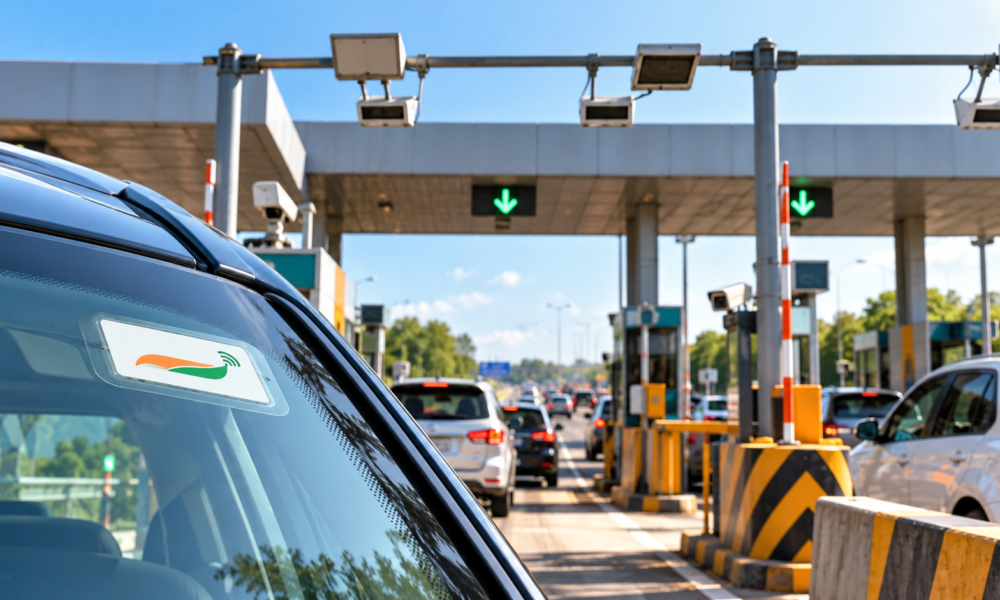
FASTag has made toll payments easier for millions of highway users in India. The electronic system allows vehicles to pay toll charges without stopping to make cash payments. However, motorists must follow certain rules to avoid delays, failed transactions and penalties.
The National Highways Authority of India (NHAI) continues to update the system to make highway travel more convenient. Here is a simple guide to FASTag rules, recharges, blacklisting and common problems.
What Is FASTag and How Does It Work?
FASTag is an electronic toll payment tag attached to a vehicle’s windscreen. It uses Radio Frequency Identification technology to allow toll charges to be deducted from the linked account or wallet when the vehicle passes through a supported toll plaza.
The tag is linked to a particular vehicle. Motorists can recharge it through their issuing bank or supported digital payment methods. Toll charges depend on the vehicle category and the toll plaza.
According to the Indian Highways Management Company Limited, a physical FASTag generally has a validity of five years. Users should check their issuer’s instructions for replacement and renewal requirements.
How Can You Recharge FASTag?
Motorists can recharge FASTag through their issuing bank’s website or app, supported payment platforms and other authorised channels. Depending on the provider, payments may be made through UPI, net banking or cards.
Before travelling, check the available balance and confirm that the recharge has been credited. A payment confirmation alone may not always mean that the tag is immediately ready for use.
Users should also check whether the tag is active and linked to the correct vehicle registration number.
Why Can FASTag Be Blacklisted?
A blacklisted FASTag cannot be used to make toll payments until the issue is resolved. Common reasons include insufficient balance, a mismatch between the tag and vehicle category, or a tag that has not been properly fixed to the windscreen.
Motorists should respond to low-balance alerts and contact the issuing bank if the tag is blocked unexpectedly. They should also ensure that the tag is properly attached and is not being carried loose inside the vehicle.
The Indian Highways Management Company Limited provides guidance on common FASTag problems and advises users to contact their issuing bank to understand why a tag has been blacklisted.
What Happens If FASTag Does Not Work at a Toll Plaza?
A failed FASTag transaction can cause delays. If the tag does not work, motorists should follow the toll plaza operator’s instructions and ask for clarification about the payment required.
Under applicable national highway toll rules, vehicles without a valid and functional FASTag can face double the applicable user fee in specified circumstances. Motorists should therefore avoid travelling with an inactive or improperly fitted tag.
Keep transaction messages and receipts if a toll payment appears incorrect. Contact the issuing bank or the relevant customer support channel to raise a complaint.
What Changed in FASTag Rules in 2026?
NHAI announced that, from 1 February 2026, routine Know Your Vehicle checks would no longer be required after issuance for car-category FASTags. Instead, vehicle details must be validated before activation, usually through the VAHAN database. Existing car FASTags generally do not require routine KYV checks unless a specific complaint or issue arises.
The change is intended to reduce unnecessary follow-ups for motorists while maintaining checks before activation.
How Can Motorists Avoid FASTag Problems?
Before a long journey, check your balance, confirm that the tag is active, inspect its position on the windscreen and verify that it is linked to the correct vehicle. Use authorised recharge channels and keep payment records.
A few simple checks can help motorists avoid unnecessary delays and make highway journeys smoother.







No Comment! Be the first one.