







India’s Office Leasing Slows 2% in H1 2026 as GCC Demand Keeps Market Stable
India’s commercial real estate market took a measured pause during the first half of 2026, with office leasing declining by 2 per cent compared to the same period last year. While the slowdown...


India’s commercial real estate market took a measured pause during the first half of 2026, with office leasing declining by 2 per cent compared to the same period last year. While the slowdown marks the end of an extended period of record-breaking demand, market experts believe it reflects cautious business decisions rather than weakening fundamentals.
According to industry reports, global economic uncertainty has prompted many companies to delay expansion plans and review their workplace strategies. Despite this, the country’s office market continues to benefit from strong demand generated by Global Capability Centres (GCCs), which remain one of the biggest occupiers of premium office space across major cities.
Cities such as Bengaluru, Hyderabad, Pune, Chennai, Delhi NCR and Mumbai continue to attract multinational companies looking to establish or expand technology, engineering, finance and research operations. GCCs are increasingly choosing India because of its skilled workforce, competitive operating costs and mature business ecosystem.
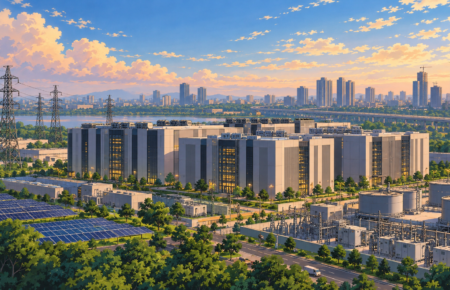
The slight dip in leasing activity has also encouraged developers to focus on improving the quality of commercial assets instead of adding large volumes of new supply. Businesses are showing a preference for sustainable buildings, flexible office layouts and locations that offer excellent transport connectivity. This shift is reshaping the country’s office market as occupiers prioritise efficiency and employee experience over simply increasing office space.
Industry observers note that hybrid working models have also influenced leasing decisions. Rather than leasing significantly larger offices, many organisations are redesigning existing workplaces to support collaboration while maintaining operational flexibility. This has resulted in more selective leasing activity without reducing long-term confidence in India’s commercial property sector.
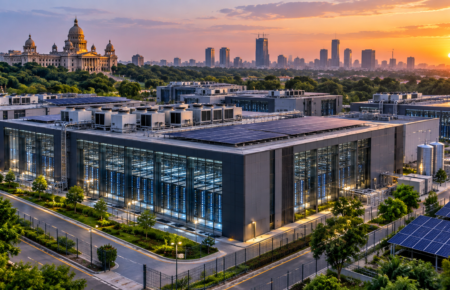
The outlook for premium office assets remains positive. Demand from technology firms, financial institutions, consulting companies and engineering businesses continues to support occupancy across leading business districts. Developers with Grade A office projects are expected to benefit as tenants increasingly seek high-quality workspaces that meet international standards.
The broader real estate market also remains resilient. A separate industry assessment indicates that India’s residential sector is entering a phase of consolidation following several years of rapid expansion, with premium and luxury housing expected to remain key growth drivers during the second half of 2026. Together, these trends suggest that both residential and commercial real estate are moving towards more balanced and sustainable growth.
For investors, the current phase presents an opportunity to focus on quality assets and long-term value rather than short-term market movements. Strong economic fundamentals, rising foreign investment and continued expansion of Global Capability Centres are expected to support demand for commercial real estate over the coming years.
Although leasing activity has moderated slightly, India’s office market continues to demonstrate resilience. With multinational companies maintaining confidence in the country’s business environment and developers adapting to changing workplace requirements, the commercial real estate sector appears well positioned for its next phase of growth.







No Comment! Be the first one.